Groningen Drops Its “Hydrogen Trains” Project over Costs
13.11.2025
Groningen’s decision to walk away from its “hydrogen trains” project came after a high-profile tender drew no bids, and officials, frankly, no longer saw the numbers adding up against battery-electric alternatives.
This is reported by the railway transport news portal Railway Supply.
Why Groningen Stepped Back from the “Hydrogen Trains” Dream?
The province did not arrive at this point overnight. In 2020, Groningen hosted trials of Alstom’s Coradia iLint, and regional leaders seriously explored hydrogen traction as a future standard for non-electrified routes. Those tests raised expectations, but the next step proved harder.
Don’t miss…J-TREC unveils new electric train for Tokyo’s Keio network
At the end of 2022, the province launched a tender for four hydrogen trains worth €66 million. No manufacturer submitted a bid; companies argued that the design requirements would push costs too high for such a small order. In real terms, the project looked expensive and commercially awkward.
The Dutch national government tried to keep the idea alive and in 2023 put €15 million on the table to support a hydrogen rollout. To be fair, that signaled clear political backing. Still, the market did not move — suppliers stayed away, and the tender remained empty.
After the failed procurement, Groningen did not immediately shut the door. Officials examined options to lease hydrogen rolling stock after 2027 and, at the same time, compared that route with straightforward electrification. As one planner might put it, “we can see the cliff coming” if the cost curve does not change. Eventually, the balance of arguments shifted.
How Moving Beyond “Hydrogen Trains” Opened the Door to Batteries?
Once the province re-ran the numbers, battery-electric trains started to look less like a compromise and more like the practical choice. Groningen and infrastructure manager ProRail now plan their decarbonisation strategy around battery units that can charge during station stops, instead of relying on overhead wires along every kilometre of track.
The long-term target remains ambitious: zero emissions from regional rail services by 2035. Battery trains, officials argue, fit this timeline without demanding large, risky orders or complex new fuel chains. The approach stays technologically conservative but, really, that is part of its appeal.
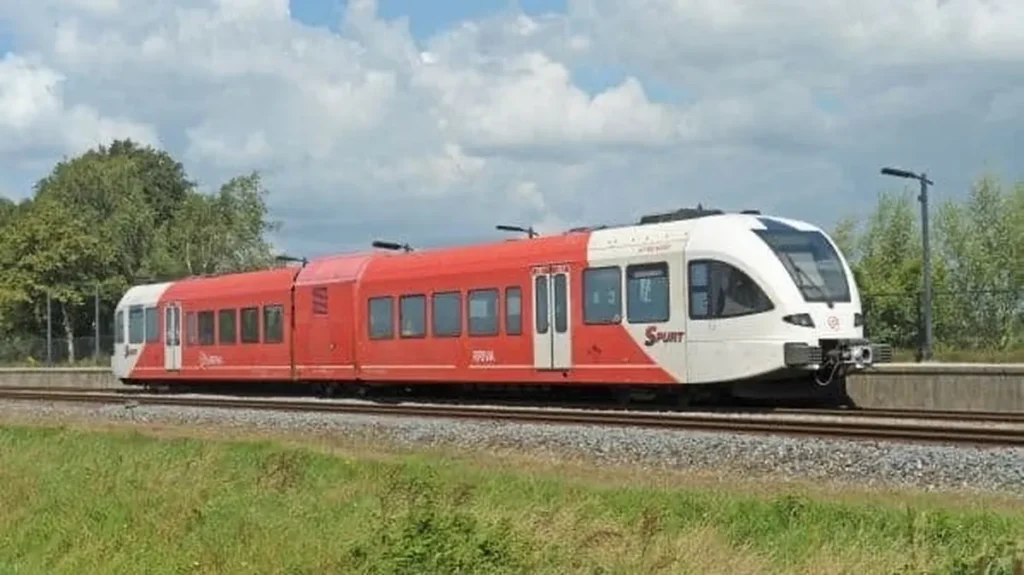
In parallel, the province faces a simple fleet reality. New battery stock is expected to replace diesel Stadler GTW trains currently operated by Arriva, which still carry passengers on non-electrified lines. That swap should cut local emissions and modernise day-to-day operations in one move.
Financing remains an important piece of the puzzle. Groningen counts on support from the European Union and the Dutch central government, so that regional budgets do not shoulder the transition alone. In practice, any funding package will shape how quickly the battery fleet arrives and how fast the remaining diesel units retire.
News on railway transport, industry, and railway technologies from Railway Supply that you might have missed:
Find the latest news of the railway industry in Eastern Europe, the former Soviet Union and the rest of the world on our page on Facebook, Twitter, LinkedIn, read Railway Supply magazine online.Place your ads on webportal and in Railway Supply magazine. Detailed information is in Railway Supply media kit