Great British Railways branding and the new public railway
09.12.2025
The government has unveiled Great British Railways branding as it pushes ahead with plans to return the rail network to public ownership, a step already covered by BBC News.
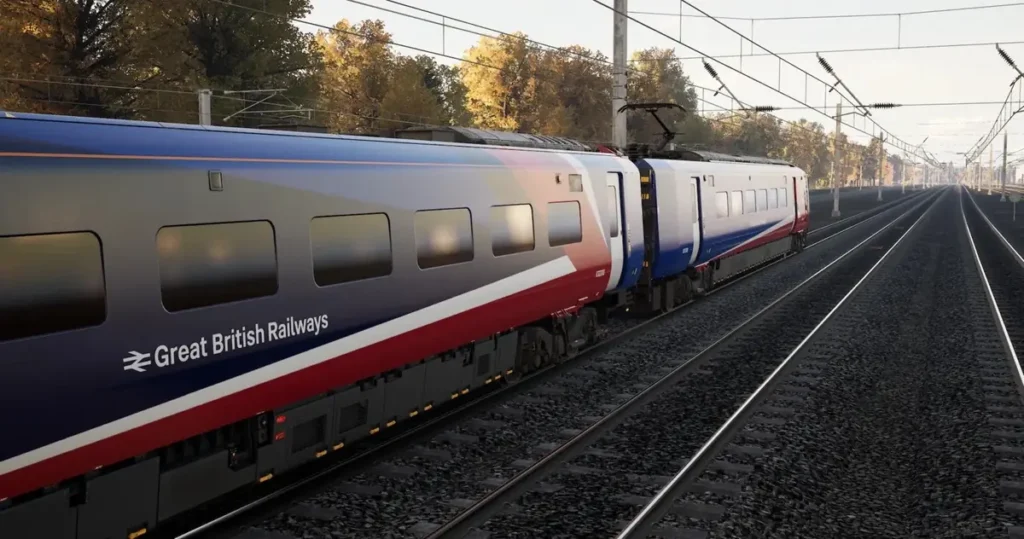
Under the new identity for Great British Railways (GBR), a single logo, livery and visual style will be used across trains, stations, the website and the app.
This is reported by the railway transport news portal Railway Supply.
Great British Railways branding and renationalising the network
Over the past year, three passenger rail franchises have already been taken back into public control, in line with Labour’s manifesto commitment to renationalise Britain’s passenger railways. The GBR livery is built around red, white and blue, echoing the Union Flag, and is due to appear on Great British Railways trains, on station signage and across its digital channels, including the website and app.
Don’t miss…Successor to EU-Rail Joint Undertaking: funding and goals
At the same time, the recent Budget set out plans to freeze regulated rail fares in England next year. Ministers, however, continue to stress that UK rail renationalisation through Great British Railways does not automatically mean cheaper tickets, and they still refuse to promise that passengers will see lower prices simply because the railway is moving back into public hands.
Railways Bill creating Great British Railways
Legislation to set up GBR is moving through the House of Commons via the Railways Bill creating Great British Railways. According to the government, the aim of renationalising the railways is to ensure they are “owned by the public, delivering for the public, not for private shareholders”, with public ownership of Britain’s railways expected to cut bureaucracy and improve accountability, as set out in official guidance on the Great British Railways public ownership programme.
Within this framework, Great British Railways will bring the running of passenger trains and rail infrastructure together under one umbrella body, combining 17 different organisations that currently share responsibility for the network. The rollout also includes a Great British Railways app for tickets and assistance, allowing passengers to check train times, buy tickets without booking fees and arrange help for disabled travellers on their journeys.
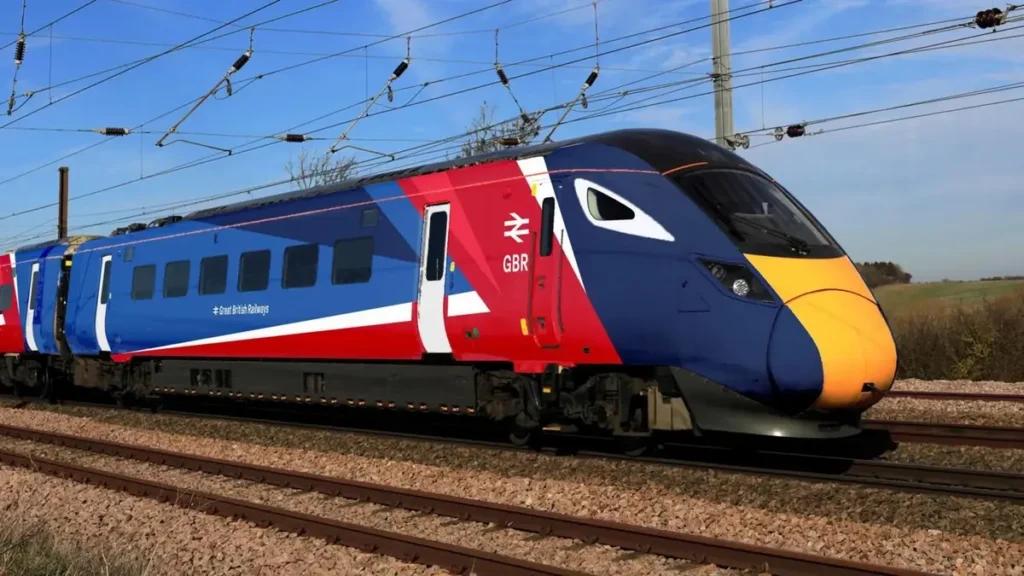
Existing nationalised operators and the Great British Railways logo
Several train companies had already been transferred into public control under the previous Conservative government, including Northern, TransPennine Express (TPE), Southeastern and LNER. Altogether, seven passenger rail franchises are now run in the public sector, accounting for about a third of journeys, with more franchises being acquired as their existing contracts expire. Over the last year, Greater Anglia, South Western Railway and c2c have also come into public ownership — developments discussed by Railway Supply — and further operators are expected to follow in 2026.
For Great British Railways itself, the chosen symbol is the familiar double-arrow National Rail logo, which is now being adopted as the Great British Railways logo on passenger information and ticketing. This distinctive emblem dates back to the 1960s, when it was created as the logo of British Rail, the former state-owned company that previously operated Britain’s railways.
Transport Secretary Heidi Alexander has underlined that the launch of Great British Railways branding “isn’t just a paint job”, saying it signals “a new railway, casting off the frustrations of the past and focused entirely on delivering a proper public service for passengers”. Jacqueline Starr, executive chair and chief executive of the Rail Delivery Group, which represents Britain’s train operators, welcomed the government’s commitment to improving services and said: “We will continue to work closely with industry partners to support a smooth transition to Great British Railways.”
News on railway transport, industry, and railway technologies from Railway Supply that you might have missed:
Find the latest news of the railway industry in Eastern Europe, the former Soviet Union and the rest of the world on our page on Facebook, Twitter, LinkedIn, read Railway Supply magazine online.Place your ads on webportal and in Railway Supply magazine. Detailed information is in Railway Supply media kit