Gemini Trains London-Cologne Service Targets 2030 Launch
The Gemini Trains London-Cologne service could launch by 2030, connecting Britain and Germany directly through the Channel Tunnel while using Stratford International as its London hub.
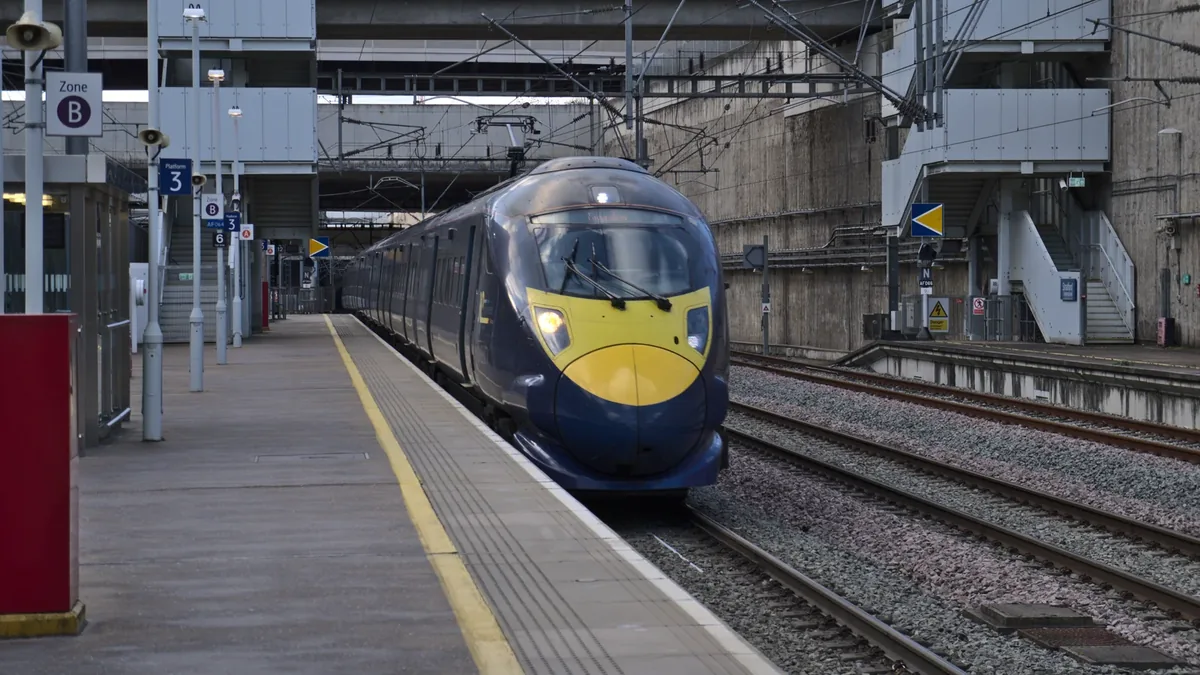
According to Euronews, the British start-up expects the direct journey to take about four hours. Today, passengers generally change trains in Brussels, and total travel times can reach around six hours depending on the connection.
The proposed service would also call at Ebbsfleet International and Ashford International. Eurostar stopped serving both Kent stations in 2020, and local authorities have continued pressing for international trains to return.
Gemini Trains London-Cologne service plan
Gemini reportedly intends to lease eight electric trains, each offering more than 550 seats, and begin with around 11 services per day. The company is also considering routes from Britain to Paris, Disneyland Paris, Charles de Gaulle Airport and Brussels, followed by expansion to Frankfurt and Düsseldorf.

Its official website currently confirms plans for services linking the UK with France and Belgium, alongside longer-term expansion to additional European destinations. It positions the operation around economy and business seating, competitive fares and a customer-focused service model.
However, the London-Cologne timetable, fleet size and 2030 launch remain proposals rather than an approved operating programme. Gemini has not yet announced completed train procurement, final track-access agreements or all required regulatory authorisations.
Don’t miss…Sixth Amtrak Cascades Airo Trainset Starts Testing
Regulatory hurdles for Gemini Trains London-Cologne service
The largest confirmed obstacle is depot access. In October 2025, Britain’s Office of Rail and Road rejected Gemini’s application to use the Temple Mills International depot and approved Virgin Trains instead, concluding that the facility had capacity for only one additional operator alongside Eurostar’s plans.
That decision did not prohibit Gemini from pursuing international services, but it requires another workable maintenance solution. The company must also secure financing, compatible rolling stock, access to High Speed 1 and the Channel Tunnel, station agreements, border-control facilities and safety approvals in both Britain and the European Union.
Gemini therefore joins an increasingly competitive London-Germany market, but its London-Cologne proposal remains dependent on infrastructure, regulatory and commercial milestones before tickets can go on sale. Eurostar and Deutsche Bahn are separately targeting direct London–Germany services for the early 2030s.
News on railway transport, industry, and railway technologies from Railway Supply that you might have missed:



