GCC Railways Project: Connecting Gulf Nations with a Unified Railway Network by 2030
09.11.2024
The GCC Railways Project aims to link Gulf nations through a modern railway network by 2030. This initiative represents a significant step toward regional economic integration and sustainable transportation. This was reported by the railway transport news portal Railway Supply.

GCC Railways Project: A Step Toward Regional Connectivity
Chaired by Qatar, the 26th Meeting of GCC Transport Ministers showcased the importance of the GCC Railways Project. Held on November 7, 2024, it brought together transport leaders to discuss future transportation goals.
Electric Trains: Skoda Expands Bulgaria’s Modern Rail Fleet
Qatar’s Minister of Transport, Jassim bin Saif Al Sulaiti, highlighted the necessity of a cohesive transport system across the Gulf region. He emphasized that joint efforts among GCC ministers could transform transportation and connectivity.
“Collaborative efforts ensure development benefits reach all societies in member nations,” he stated. GCC countries have made considerable progress in their shared initiatives, achieving positive outcomes and regional integration.
This collaboration enhances both economic and social bonds, reinforcing ties between Gulf Cooperation Council states. As a strategic priority, transportation supports GCC leaders’ broader development plans for sustainable progress.
Al Sulaiti noted that Gulf leaders understand the sector’s importance in strengthening various industries. Improved connectivity supports multiple cooperation areas, promoting growth across the Gulf region.
One main priority, he explained, is a network of highways to connect GCC countries. Enhanced road links will significantly improve travel and cargo transportation, giving citizens more convenient options.
The minister acknowledged leaders’ focus on large infrastructure projects, with transportation as a central element. At the forefront is the GCC Railways Project, an initiative with transformative potential for regional trade and connectivity.
This project will connect GCC countries through railways, contributing to economic, social, and logistical benefits. Positive impacts include streamlined trade, linking key economic zones and ports to bolster global trade.
He added that the project has achieved substantial progress, aiming for a 2030 completion date. The GCC Railways Project is pivotal in connecting GCC logistic facilities with major international trade routes.
Advancing Gulf Port Development Alongside the GCC Railways Project
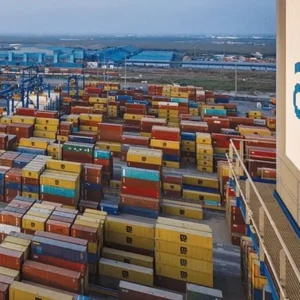
GCC ports have seen rapid development, increasing trade and transport capacity across the region. Ports in Gulf countries now rank highly in performance, noted by World Bank assessments for efficiency.
Modern infrastructure enables ports to accommodate diverse vessel types with enhanced productivity. Gulf nations also prioritize eco-friendly practices, aligning with global standards for sustainability and smart technologies.
These steps help Gulf countries meet carbon neutrality goals with advanced transportation infrastructure. GCC countries invest in systems supporting emerging technologies, including smart and green transportation solutions.
The meeting also discussed unified regulations for land transport among GCC nations. These rules aim to streamline travel, offering improved consistency and safety for Gulf citizens and visitors.
Ministers agreed on guidelines governing access to GCC waters for conventional merchant vessels. These controls ensure high safety standards, safeguarding maritime activities across Gulf waters.
The committee reviewed licensing criteria for offshore units requiring special permits. These standards cover units outside maritime conventions, securing responsible operations across Gulf waters.
This gathering emphasized Gulf nations’ commitment to advancing transportation cooperation and unity. Recent decisions reflect the region’s ambition for cohesive growth in all transport sectors.
These efforts illustrate the Gulf states’ dedication to long-term goals across logistics and transportation. With the railway and port projects underway, the region moves toward sustainable economic development.
The Gulf leaders’ vision aligns with a robust, interconnected transportation network for future progress. Gulf countries work together, advancing transportation for the benefit of citizens and regional businesses.
The GCC Railways Project embodies a significant stride toward a unified regional transport network by 2030. This project introduces a new era of integration, enhancing connectivity for Gulf nations.
By focusing on efficient transport, Gulf states aim to become leaders in global logistics. Advanced systems ensure smooth operations, supporting economic ties within the region and beyond.
This meeting marked a milestone in GCC nations’ commitment to shared progress and collective goals. Through unified projects, Gulf countries build a resilient, sustainable future in transportation.
Gulf leaders’ vision emphasizes stability and strengthened connectivity, setting a unified path forward. This collaborative spirit drives progress across industries, reinforcing the unity within the Gulf Cooperation Council.
In this vibrant context, the GCC’s transport sector symbolizes ambition and regional solidarity. Projects like the GCC Railways showcase a commitment to modernization, connectivity, and sustainable growth across borders.
Each project fosters economic ties, enhancing cooperation and creating opportunities for regional prosperity. With the 2030 target, GCC nations set a remarkable example of collective action and vision.
Source: www.iloveqatar.net
News on railway transport, industry, and railway technologies from Railway Supply that you might have missed:
Metrolinx Begins Procurement for Hamilton LRT, Advancing City Transit Infrastructure
Find the latest news of the railway industry in Eastern Europe, the former Soviet Union and the rest of the world on our page on Facebook, Twitter, LinkedIn, read Railway Supply magazine online.Place your ads on webportal and in Railway Supply magazine. Detailed information is in Railway Supply media kit