G Train Rolls Out Modern Open Gangway Upgrade
05.03.2025
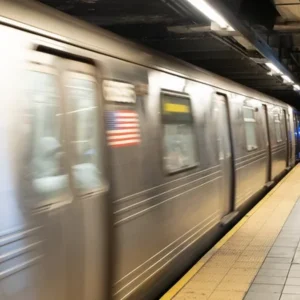
The G train launched its first open gangway train on Tuesday, boosting connectivity. This upgrade links Brooklyn and Queens with cutting-edge subway tech. This was reported by the railway transport news portal Railway Supply.

G Train Welcomes Innovative R211T Design
Officials introduced the R211T train model with a unique five-car articulated design on Tuesday. Passengers now enjoy seamless movement between cars, boosting comfort and convenience.
Don’t miss…Stadler Secures Contract for Cogwheel Railway Trains
NYC Transit President Demetrius Crichlow praised the innovative design at the unveiling ceremony. He explained that shorter trains often crowd at platform ends, frustrating riders.
“Now, open gangways stretch from end to end, solving overcrowding,” Crichlow announced proudly. This change eliminates the rush to catch the last car, he added.
Tuesday’s debut marked a milestone for elevated tracks along the subway line route. Experts believe open gangways could curb subway surfing by limiting exterior access.
A second R211T train joins the fleet on Wednesday, expanding service quickly. Two more trains arrive by June, modernizing nearly a third of the line.
Authorities pulled these four trains from the C line to prioritize this upgrade. However, the remaining fleet still includes some of the oldest cars.
G Train Fleet Faces Ongoing Challenges
Crichlow revealed the MTA struggles to find a track defect affecting R160 wheels elsewhere. This issue impacts E, F, and R lines, prompting fleet shifts.
In January, the MTA reassigned modern R160 cars to support other lines temporarily. Older R46 and R68 trains now fill the gap on this route.
Because the line retains its outdated signaling system for two more years, adjustments continue. Crichlow admitted R160 cars won’t return by March as hoped.
“Instead, we roll out two R211 trains now and add two more soon,” he clarified. Future plans include assigning more new R211s to the subway, he noted.
Sources confirmed Tuesday that the search for the mysterious track defect persists actively. Yet, the exact cause of R160 wheel wear remains elusive, they said.
The MTA redirected all 20 open gangway cars from the C line to this line. This shift leaves the C line without them until additional trains arrive.
Last year, the transit agency ordered 80 more R211T trains from Kawasaki for delivery. These additions form part of a larger $1.8 billion purchase in 2025 dollars.
Meanwhile, traditional R211A closed gangway trains dominate the A and C lines currently. But the G train’s transformation signals a bold step forward, officials emphasized.
Commuters welcome the open gangway design for its practicality and modern appeal daily. And the MTA aims to keep improving subway experiences across all boroughs.
This upgrade reflects a broader push to revitalize New York’s aging subway infrastructure steadily. So, riders can expect more enhancements as new trains roll out gradually.
Source, photo: Daily News
News on railway transport, industry, and railway technologies from Railway Supply that you might have missed:
Don’t miss…CPK to Purchase New Trains for HSR Network
Place your ads on webportal and in Railway Supply magazine. Detailed information is in Railway Supply media kit