Freight train derailment disrupts key rail corridor in Galicia
17.11.2025
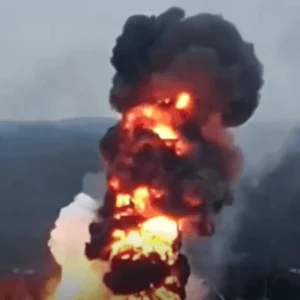
A freight train derailment in Galicia halts regular passenger links and freight flows, and operators scramble to rethink routes because recovery teams focus first on clearing nine overturned wagons from the damaged section.
This is reported by the railway transport news portal Railway Supply.

Operational Impact of the Freight Train Derailment
For many commuters, the freight train derailment in As Neves feels abrupt — services vanish from the timetable, and familiar trains no longer appear. Operators sit with Adif and redraw schedules because the blocked corridor carries both regional and long-distance traffic.
Don’t miss…U.S. shutdown ends as agencies weigh new pressures
Rail crews walk the line section by section, and they look first at where the locomotive and wagons left the track. They clear what they can by hand, but they reserve the heavy removal work for specialist lifting equipment once plans solidify.
On the passenger side, teams adjust Vigo–Ourense and Vigo–Ponferrada services, and they re-route long-distance trains that normally link Vigo with Barcelona. Freight operators, meanwhile, line up temporary road options so they can still move priority cargo, even if that means slower journeys, a pattern that also appears in official safety reporting by Spain’s Ministry of Transport.
Recovery Challenges Following the Freight Train Derailment
Adif brings in lifting gear because nine wagons carrying steel coils lie on their sides near the small station stop. Crews coordinate every move with firefighters and the Civil Guard, and they work wagon by wagon so the damaged stretch gradually becomes accessible again.
Officials note that the rear part of the train ran empty and headed toward Vigo for loading, including vehicles. Workers still inspect the entire consist in detail, because the derailment shook more than just the overturned wagons and nobody wants hidden damage to slip through.
Regional stakeholders accept that the recovery will take several days, and they watch Adif updates to manage passenger expectations and freight commitments.
Frankly, as one planner might put it, “we can see the cliff coming” when a single incident strains so many linked services at once; at the European level, analyses compiled by the European Union Agency for Railways treat freight train derailment risk as a long-term management issue.
News on railway transport, industry, and railway technologies from Railway Supply that you might have missed:
Find the latest news of the railway industry in Eastern Europe, the former Soviet Union and the rest of the world on our page on Facebook, Twitter, LinkedIn, read Railway Supply magazine online.Place your ads on webportal and in Railway Supply magazine. Detailed information is in Railway Supply media kit