France Opens High-Speed Train Market to Competition and Service Improvements
26.10.2024
France faces significant changes in high-speed trains as it opens the market to competition. Passengers can now select alternative routes, which promise to improve service and accessibility. This was reported by the railway transport news portal Railway Supply.
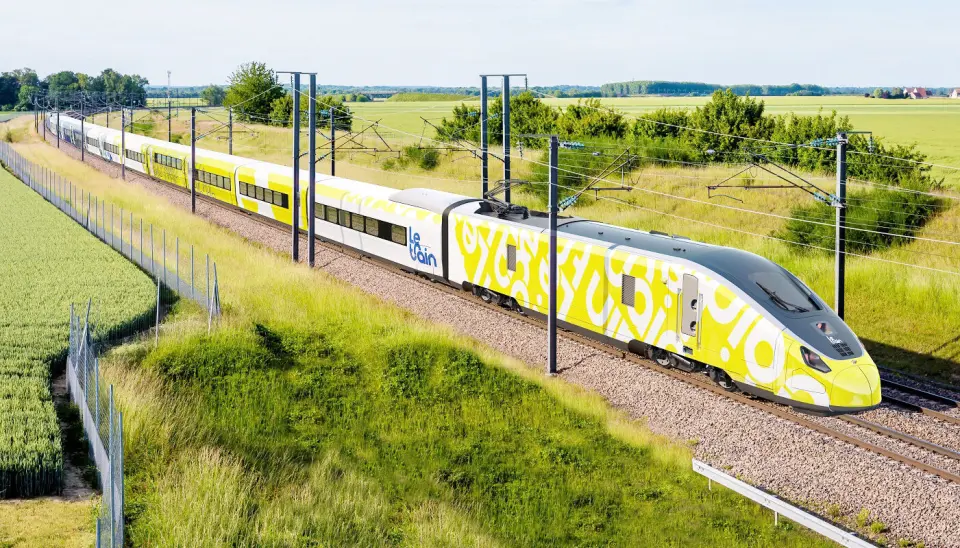
In France, a new era begins for rail transport as the high-speed train market opens to competition. Domestic companies and international operators will offer alternatives to the national carrier SNCF, creating fresh opportunities for passengers.
Rail passenger services begin on the new suburban Red Line in Lagos
With new players entering the market, passengers can expect direct routes, affordable tickets, and increased comfort. One such new operator is Le Train, planning to launch on France’s western lines by 2027, offering direct routes between major cities. The company promises high service standards, with ten trains running on their routes and enhancing passenger comfort.
Competition in the High-Speed Train Market Will Improve Accessibility and Comfort
“Today’s market requires new approaches to transportation, and our company is ready to offer alternatives,” noted Le Train CEO Alain Ghetro. He explained that the rail sector lags behind aviation and telecommunications, where innovation and customer choice have long been priorities.
Another company, Proxima, has already allocated €1 billion and ordered 12 new TGV trains from Alstom, expected for delivery by 2028. Proxima intends to operate routes from Paris to Rennes, Angers, Bordeaux, and Nantes, focusing on comfort and convenience. At the same time, Kevin Speed aims to launch routes by 2028, targeting budget travel with tickets from €15 during off-peak hours, with services to Lille and Strasbourg.
International companies have also entered France’s high-speed rail market. Italian company Trenitalia began running its route from Milan to Paris via Lyon in 2021, and Spain’s Renfe now connects Madrid to Paris through Barcelona and Marseille. These companies expand their routes, promoting competition.
New Players Enter France’s High-Speed Train Market
Le Train’s CEO, Mr. Ghetro, noted that while international operators succeed, their presence remains limited by obligations to serve home markets and traditional business models. This limits their flexibility within France, creating opportunities for local companies.
François Deletras, president of the National Federation of Transport User Associations (Fnaut), supports these changes but recognizes potential challenges. “Competition generally drives higher service quality and lower prices, but there’s a risk that operators will choose only profitable routes, leaving unprofitable lines to SNCF,” he said.
Deletras also pointed out that new operators might limit scheduling options since each will offer fewer routes. He emphasized that transparent pricing is vital, as complex models can confuse passengers, and SNCF’s offerings include both high and low-cost options within the same train.
News on railway transport, industry, and railway technologies from Railway Supply that you might have missed:
Stadler to Manufacture Specialized Locomotives for the Paris Metro
Find the latest news of the railway industry in Eastern Europe, the former Soviet Union and the rest of the world on our page on Facebook, Twitter, LinkedIn, read Railway Supply magazine online.Place your ads on webportal and in Railway Supply magazine. Detailed information is in Railway Supply media kit