FRA language proficiency enforcement: Rail safety crackdown
21.12.2025
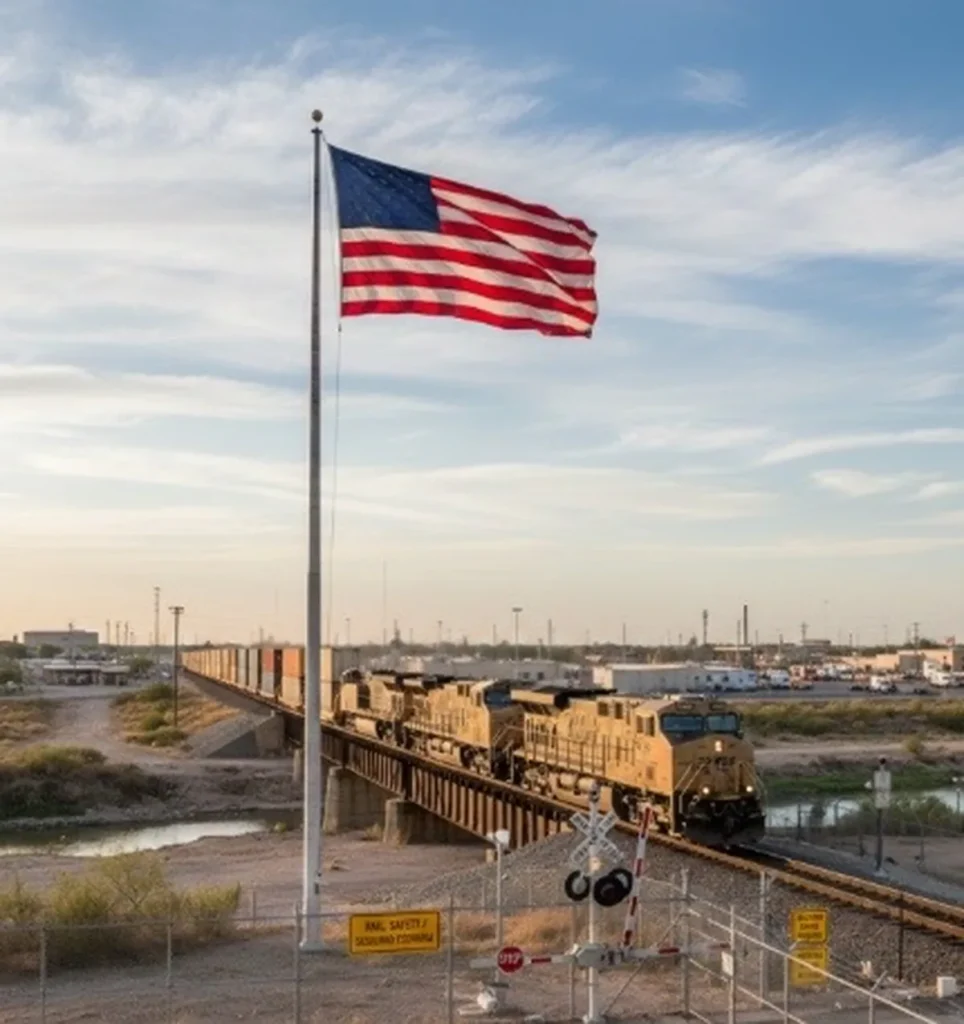
FRA language proficiency enforcement is tightening oversight of cross-border freight operations after inspections flagged language barriers among cross-border train crews near the U.S.-Mexico border.
This is reported by the railway transport news portal Railway Supply.
The Federal Railroad Administration (FRA) says clearer communication standards are central to rail safety and to reducing the risk of misunderstandings, as outlined in a recent U.S. Department of Transportation briefing.
What inspectors found at CPKC and Union Pacific?
During focused inspections carried out in the fall, the FRA reviewed operations connected to Canadian Pacific Kansas City Limited (CPKC) and Union Pacific Railroad (UP). It reported multiple cases in which inbound crew members—especially those arriving from Mexico—showed limited English proficiency.
Don’t miss…Lodi high-speed derailment: court sentences over 2020 crash
In the FRA’s account, some crews struggled to understand General Track Bulletins, which are essential to the safe operation of freight trains. Inspectors also described situations where crew members had trouble communicating critical safety information with inspectors in English. The agency warned that gaps like these can weaken safety standards in routine operations and in moments where time matters.
FRA enforcement on language proficiency and certification rules
Transportation Secretary Sean P. Duffy said clear communication between train crews and safety inspectors is a core safety requirement. He noted that effective communication is crucial when operating freight trains, which can weigh up to 80,000 pounds, and that language barriers become especially dangerous when clear and prompt instructions are needed during emergencies.
Duffy added that it is unacceptable for crews to operate without understanding the language used in critical documents and communications, calling inadequate English proficiency an unacceptable safety risk.
The FRA tied its actions to federal regulations under 49 CFR Parts 240 and 242. Under these rules, railroads must certify that locomotive engineers and conductors have the knowledge and abilities needed to operate safely, including the ability to understand operational bulletins and communicate effectively with inspectors and emergency responders—requirements reflected in the eCFR listing for FRA regulations.
Based on what inspectors observed, the FRA said the level of English proficiency among some crews raised serious concerns about whether these requirements were being met.
How the 10-mile limit and interpreter rules affect cross-border rail?
After the inspections, the FRA issued official letters to both CPKC and UP describing the findings and outlining what may need to change. It said certain certification programs used by the railroads may require adjustments to comply with the regulations.
One concrete operational change highlighted by the FRA is a restriction aimed at cross-border rail movements involving Mexican crews: crews from Mexico are now prohibited from operating more than 10 miles into the United States without stopping at the customs inspection point.
The stated purpose is to ensure crews meet necessary safety standards before continuing farther into the U.S. network, a move also described in FreightWaves coverage of the enforcement action.
The FRA also stressed that interpreters used by train crews must be certified under safety regulations. Certification is intended to ensure interpreters can accurately translate crucial safety information and operational instructions, lowering the risk of misunderstandings when precision matters.
Why the FRA says English proficiency matters for rail safety?
Officials described the crackdown as a proactive effort to reduce accidents and delays caused by communication failures. The FRA pointed to the reality that most operational bulletins, radio communications, and emergency procedures are written in English. Ensuring crews can understand those materials is presented as essential to maintaining safety across the rail system.
FRA Administrator David Fink echoed the same point, saying the safety of communities, first responders, and passengers must remain the top priority. He emphasized that dispatchers and emergency personnel need to know they can effectively communicate with train crews in an emergency—an issue that becomes even more critical in modern freight operations where quick decisions and clear exchanges can prevent catastrophic outcomes.
Looking ahead, FRA language proficiency enforcement is expected to influence how railroads manage cross-border operations. Railroads may need to adapt procedures to meet language and certification expectations, and crews who cannot demonstrate English proficiency may face delays at the border or be restricted from continuing until the required safety standards are met.
News on railway transport, industry, and railway technologies from Railway Supply that you might have missed:
Find the latest news of the railway industry in Eastern Europe, the former Soviet Union and the rest of the world on our page on Facebook, Twitter, LinkedIn, read Railway Supply magazine online.Place your ads on webportal and in Railway Supply magazine. Detailed information is in Railway Supply media kit