UK rail fares projected to rise sharply in 2026
21.08.2025
UK rail fares are set to surge by 5.8% in 2026, creating record-high travel costs for commuters and leisure passengers struggling with rising inflation and persistent economic pressures. This is reported by the railway transport news portal Railway Supply.
UK rail fares and rising inflation
UK rail fares will climb sharply in 2026 because they are tied to inflation. Prices rose by 5.1% in 2025, and higher inflation rates now point to another steep rise.
Don’t miss…China strengthens railway freight network in 2025
Commuters in the London and South East region faced a 5.2% increase last year. Long-distance travelers saw a 5.4% jump, while regional services climbed by 4%, putting extra pressure on household budgets.
UK rail fares and public ownership reforms
The transition to the Great British Railways model raised hopes for affordable travel. But passengers remain frustrated, as consistent fare hikes erode accessibility and discourage rail travel for cost-conscious commuters.
Advocacy groups, such as the Campaign for Better Transport, call for government action to keep the network affordable. Experts warn that without reform, fare increases could reduce ridership and slow the shift toward greener transport.
Savvy travelers continue to find ways to lower costs. Ticket-splitting strategies, promotional offers, and advanced bookings help some passengers manage expenses. However, many travelers still face confusion with complex pricing structures and pay more for the same journeys.
The link between inflation and fare calculations remains controversial. Because the Consumer Prices Index includes items like petrol and airfares, rising costs for alternative transport options drive rail ticket prices even higher.
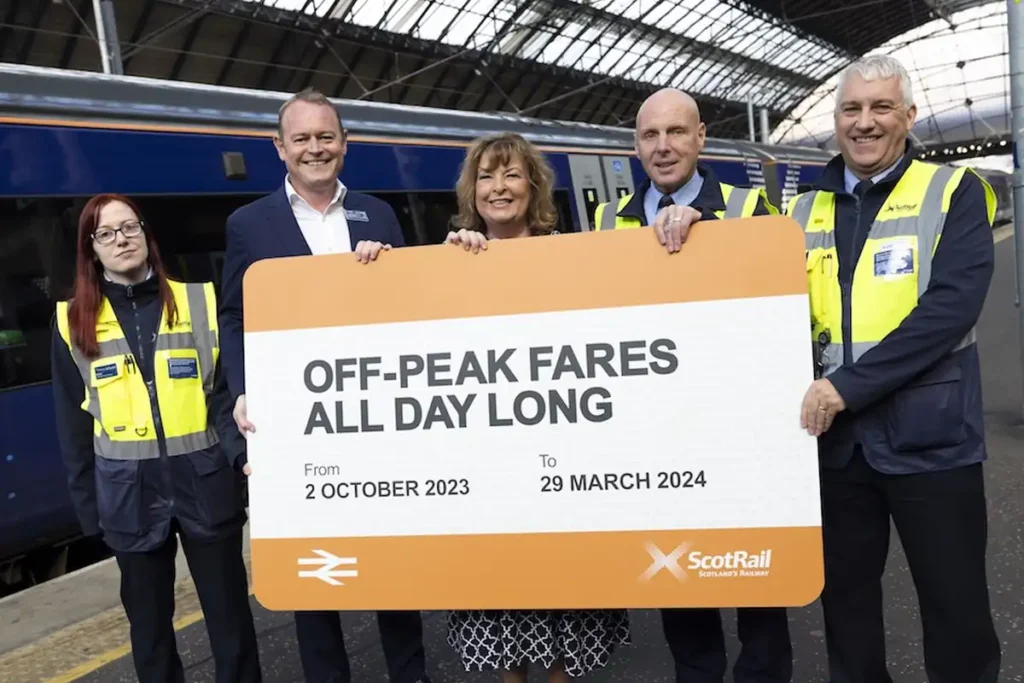
If fares continue rising unchecked, experts caution that more passengers could abandon rail for cheaper or more convenient travel modes. In contrast, Scotland’s decision to abolish peak fares next month offers a model for targeted affordability measures in other regions.
Source, photo: www.railtech.com
What is causing the sharp increase in UK rail fares?
UK rail fares are tied to inflation, so higher consumer prices, especially for fuel and air travel, push ticket costs higher across the rail network.
Can passengers reduce the impact of rising UK rail fares?
Yes. Strategies such as ticket splitting, booking in advance, and using railcards can help passengers cut costs significantly. Learn more via National Rail.
How do public ownership reforms affect UK rail fares?
The Great British Railways model aims to simplify management and improve efficiency. But without clear fare reforms, commuters may not see meaningful price relief anytime soon.
News on railway transport, industry, and railway technologies from Railway Supply that you might have missed:
Find the latest news of the railway industry in Eastern Europe, the former Soviet Union and the rest of the world on our page on Facebook, Twitter, LinkedIn, read Railway Supply magazine online.Place your ads on webportal and in Railway Supply magazine. Detailed information is in Railway Supply media kit