U.S. Freight-Rail Traffic Shows Mixed Trends in Early 2025
09.01.2025
U.S. freight-rail traffic experienced a slight 1% increase in the first week of 2025. Intermodal gains played a significant role, offsetting declines in carload volumes. This was reported by the railway transport news portal Railway Supply.
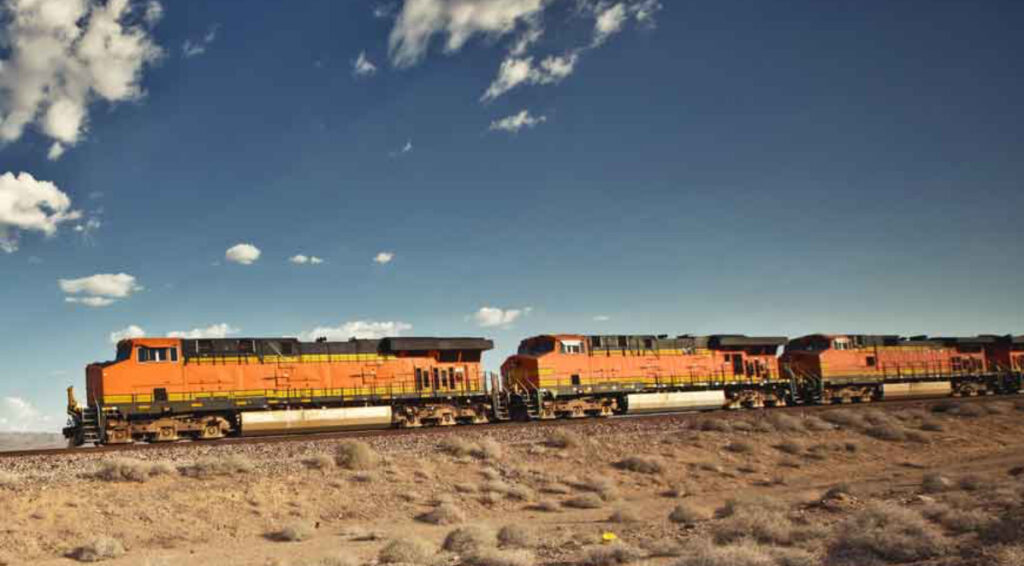
U.S. Freight-Rail Traffic: Intermodal Growth Leads the Way
In the week ending January 4, U.S. railroads moved 421,410 carloads and intermodal units. Carloads decreased by 4.6% to 198,500, but intermodal units rose 6.6% to 222,910.
Don’t miss…Indian Railways Launches New 20-Coach Vande Bharat Express Trains in 2025
Chemicals led the commodity growth, increasing 9.2% to 31,747 carloads. Petroleum and petroleum products saw similar gains, climbing 9.3% to 10,852 carloads. Forest products added 2%, totaling 8,006 carloads.
However, declines in coal, motor vehicles, and metallic ores dragged overall carload numbers lower. Coal shipments fell 8.2% to 56,471, while motor vehicles dropped sharply by 31.7% to 6,448 carloads.
Regional Breakdown of U.S. Freight-Rail Traffic
Canadian railroads transported 80,417 carloads, a 6.1% decrease, and 61,767 intermodal units, reflecting a 3.8% increase. Their total weekly freight volume dropped by 2% compared to last year.
Mexican railroads faced challenges, hauling 10,909 carloads (down 7.8%) and 8,265 intermodal units (down 16.8%). Combined, Mexico’s rail traffic declined 11.9% year-over-year.
Across North America, total weekly traffic from U.S., Canadian, and Mexican railroads reached 582,768 carloads and intermodal units, marking a slight 0.2% dip. Intermodal gains of 5.2% softened the 5.1% decline in carloads.
Freight-rail performance highlights the growing role of intermodal traffic in maintaining North America’s supply chain resilience in 2025.
Source, photo: www.progressiverailroading.com
News on railway transport, industry, and railway technologies from Railway Supply that you might have missed:
Don’t miss…Indian Railways Invests $22 Billion to Modernize Infrastructure and Boost Safety