TfL E-Bike Ban Starts March 31 to Enhance Safety
26.03.2025
Transport for London launches the TfL e-bike ban on most services starting March 31. Authorities enforce this rule, and they aim to reduce battery fire risks effectively. This is reported by the railway transport news portal Railway Supply.

Photograph: Sophia Evans/The Observer
Officials permit only folding e-bikes on the London Underground, Overground, and Elizabeth Line trains. TfL considers these models safer, and they cause fewer hazards than modified ones.
Don’t miss…Hochul Pushes for MTA Federal Funding to Fix Transit Now
TfL officials prioritize customer and staff safety, responding to union threats after recent incidents. Consequently, the organization collaborates with the London Fire Brigade to assess risks thoroughly.
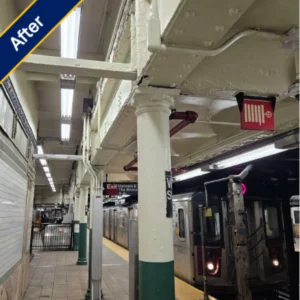
Last month, an e-bike ignited on a platform at Rayners Lane, alarming train drivers. The union Aslef warns that such events could lead to catastrophic casualties on busy networks.
Experts note most e-bikes remain safe, yet a few non-folding ones sparked fires recently. Thus, TfL opts for a broad restriction until stricter safety protocols emerge and take effect.
Conversion kits turn regular bicycles into e-bikes, increasing fire risks, according to TfL findings. Distinguishing between models proves challenging, so officials enforce a comprehensive restriction for now.
Non-folding bikes already face bans on buses and trams across TfL’s extensive network. Similarly, e-scooters encounter prohibitions because their batteries also present significant fire hazards.
TfL E-Bike Ban: Exceptions and Future Plans
Exceptions apply to the Silvertown tunnel cycle shuttle, Woolwich Ferry, and river boats. These services will allow e-bikes, and TfL aims to support micromobility despite new rules.
Mayor Sadiq Khan emphasizes that Londoners’ safety tops his agenda, addressing fire incidents directly. He supports the TfL e-bike ban, and TfL reviews policies to balance innovation with security.
TfL acknowledges e-bikes’ value in London’s transport ecosystem and promises ongoing evaluations. Meanwhile, Chief Safety Officer Lilli Matson stresses collaboration with government to enhance e-bike standards.
Matson asserts the restriction plays a critical role in securing the transport system for all. She adds that partnerships beyond TfL will drive improvements in e-bike safety over time.
Aslef, a key train drivers’ union, pushes for a total prohibition but accepts this step. Organizer Finn Brennan praises the decision, and he views it as progress toward safer conditions.
Folding e-bikes offer advantages, including reduced obstruction during emergencies, according to Aslef’s stance. Brennan welcomes TfL’s move, yet he hopes for stricter measures in the future.
TfL E-Bike Ban: Safety Over Convenience
TfL’s review follows incidents that raised concerns, prompting swift action to protect commuters daily. The organization continues monitoring risks, and it adapts policies to ensure public safety consistently.
No updates emerge on the recent removal of book exchanges from Underground stations yet. Khan calls that decision absurd, and he vows to reverse it despite fire risk claims.
Safety remains paramount, but TfL balances it with London’s need for sustainable transport options. E-bikes hold potential, so officials refine rules to integrate them responsibly into the city’s future.
Source: www.theguardian.com
News on railway transport, industry, and railway technologies from Railway Supply that you might have missed:
Find the latest news of the railway industry in Eastern Europe, the former Soviet Union and the rest of the world on our page on Facebook, Twitter, LinkedIn, read Railway Supply magazine online.Place your ads on webportal and in Railway Supply magazine. Detailed information is in Railway Supply media kit