Talgo Trains Face Mechanical Challenges in Lagos Commuter Rail Service
09.12.2024
Nigerian commuter rail operations have been indefinitely suspended due to ongoing mechanical challenges. Talgo trains, repurposed for Lagos’ Red Line, have faced unexpected issues. This was reported by the railway transport news portal Railway Supply.

The History Behind Talgo Trains in Lagos
Reports indicate the trains broke down last Monday and Tuesday, December 2-3, causing disruptions. The operator quickly issued a public notice stating, “The train will not be operating tomorrow, and until further notice,” citing safety concerns.
Don’t miss…TechInn s.r.o. has become a member of the MECHATRONIKA cluster
The 27-kilometer Red Line launched operations on October 15 with limited service. It initially ran two trains during morning and evening rush hours, targeting eventual expansion.
Plans for the completed system aim to transport over a million passengers daily. This ambitious goal underscores the importance of addressing mechanical setbacks promptly.
Challenges and Future of Talgo Trains in Lagos
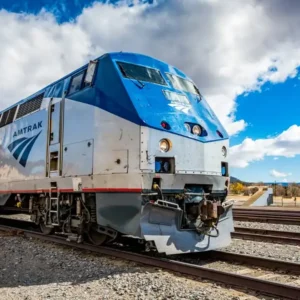
The trains in question are Talgo Series 8 trainsets, built for Wisconsin’s never-realized rail project. Originally ordered in 2009 for Amtrak’s Hiawatha route, they remained unused for over a decade.
Governor Scott Walker canceled Wisconsin’s rail expansion plans in 2011, leaving the trains stored. Finally sold in 2022, they found new life in Lagos but now face fresh challenges.
Despite setbacks, officials remain optimistic about restoring the service. Engineers are currently assessing solutions to improve reliability and ensure passenger safety.
This suspension highlights the critical need for robust maintenance strategies. Such efforts can mitigate future disruptions and build public trust in the system’s reliability.
Lagos’ Red Line represents a significant investment in mass transit, essential for reducing urban congestion. However, operational efficiency remains a pressing challenge for Nigerian transit authorities.
Transportation experts suggest proactive measures, including rigorous testing protocols. Such practices can help identify potential issues before public operations resume.
Officials have not provided a timeline for when services might restart. Passengers are advised to monitor updates for further announcements regarding the Red Line’s status.
The situation underscores the complexities of adapting legacy equipment to new contexts. Compatibility and long-term sustainability remain critical considerations in such projects.
Lagos’ government must balance addressing immediate concerns with achieving broader transit goals. Effective communication will be vital in maintaining public support during this period.
As repairs continue, the focus shifts toward ensuring future reliability. Successful resolution of these issues could set a precedent for similar projects worldwide.
This development serves as a reminder of the challenges inherent in large-scale infrastructure adaptations. Strategic planning will play a pivotal role in overcoming these obstacles.
Source: www.trains.com
News on railway transport, industry, and railway technologies from Railway Supply that you might have missed:
Don’t miss…EP Cargo Trucking: Innovations and Sustainable Development in the Transport Industry
Find the latest news of the railway industry in Eastern Europe, the former Soviet Union and the rest of the world on our page on Facebook, Twitter, LinkedIn, read Railway Supply magazine online.Place your ads on webportal and in Railway Supply magazine. Detailed information is in Railway Supply media kit