Passenger Rail Service Between Oklahoma and Kansas
12.12.2024
Efforts to restore passenger rail service between Oklahoma City and Newton, Kansas, are gaining momentum. The Kansas Department of Transportation (KDOT) estimates the project will cost $311 million to complete. This was reported by the railway transport news portal Railway Supply.

Restoring Passenger Rail Service: Key Investment Details
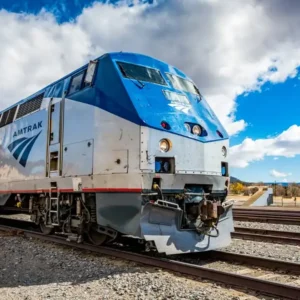
KDOT’s plan aims to reconnect a rail corridor abandoned in 1979, improving transportation choices for urban and rural areas. The project will require federal, state, and local funding to upgrade tracks, resolve bottlenecks, and improve stations along the route. Currently, the Heartland Flyer runs between Oklahoma City and Fort Worth, Texas, but the proposed extension would connect it to Newton. This would enable passengers to link with Amtrak’s Southwest Chief, which runs between Chicago and Los Angeles.
Don’t miss…Talgo Challenges $122 Million Penalty for Train Delivery Delays
The infrastructure costs are estimated at $175 million for Kansas and $136 million for Oklahoma, with an additional $262 million required to achieve maximum train speeds of 79 mph. Without these enhancements, trains would operate at slower speeds, extending travel times for passengers.
Economic and Operational Benefits of Passenger Rail Service
The new passenger rail service could begin operations by 2029, offering daily routes between Newton and Fort Worth. KDOT projects initial ridership of 16,000 passengers in the first year, increasing to 33,000 within four years. The estimated travel time from Newton to Oklahoma City is 3.5 hours, while the trip to Fort Worth would take approximately 7.5 hours.
Federal subsidies are expected to cover operational costs initially, but states will assume these expenses after six years. Advocates highlight the economic and social benefits of this project, including increased tourism, job creation, and enhanced connectivity for underserved communities.
Pete Meitzner, a Sedgwick County Commissioner, stressed the importance of accurate cost projections for lobbying efforts. He urged stakeholders to use the data to secure legislative support. Meanwhile, Laura Kliewer, director of the Midwest Interstate Passenger Rail Commission, called for expanding the route to include Kansas City, Missouri.
Amtrak representatives clarified that states or their partners must fund infrastructure improvements. However, the Federal Railroad Administration’s approval of KDOT’s corridor development application in December 2023 marked a significant step forward.
Discussions between Kansas, Oklahoma, Amtrak, and BNSF Railway officials continue as they work toward bridging the gap in passenger rail service. The project promises to deliver lasting benefits for both states if funding and political challenges are resolved.
Source: oklahomavoice.com
News on railway transport, industry, and railway technologies from Railway Supply that you might have missed:
Don’t miss…Ferrovial and BAM Join Forces for UK’s HS2 High-Speed Rail Infrastructure
Find the latest news of the railway industry in Eastern Europe, the former Soviet Union and the rest of the world on our page on Facebook, Twitter, LinkedIn, read Railway Supply magazine online.Place your ads on webportal and in Railway Supply magazine. Detailed information is in Railway Supply media kit