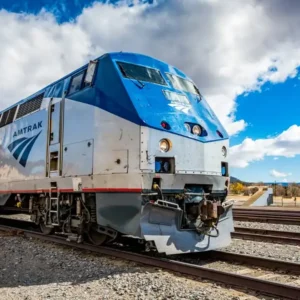
Rail Transport Delivers Aggregate for Nuclear Waste Capping in Cumbria
26.02.2025
Cumbria’s nuclear waste site receives 280,000 tons of aggregate for final capping. This delivery will create a 100-year protective barrier, ensuring secure containment of radioactive materials. This was reported by the railway transport news portal Railway Supply.

Rail Transport Enhances Nuclear Waste Management in Cumbria
Nuclear Transport Solutions (NTS) has delivered aggregate to the Low Level Waste Repository (LLWR). The organization specializes in moving nuclear and radioactive materials using Direct Rail Services (DRS).
Don’t miss…£5.4M Accessibility Upgrades Completed at Tooting Station
Nuclear Waste Services (NWS) manages the disposal of low-level radioactive waste across the UK. The agency plays a crucial role in handling and securing waste at the LLWR facility.
Both NTS and NWS operate under the Nuclear Decommissioning Authority (NDA). This non-departmental public body is sponsored by the Department for Energy Security and Net Zero.
LLWR remains the UK’s main site for receiving and processing low-level radioactive waste. NWS describes the facility as the country’s primary location for secure waste disposal.
Various industries contribute to nuclear waste stored at the LLWR site. The Ministry of Defence, research institutions, and medical facilities also generate radioactive waste.
NWS has partnered with civil engineering firm Graham to assist with the capping project. Over three years, 280,000 tons of aggregate will be transported to complete this phase.
Final Capping Project Strengthens Waste Security in Cumbria
NTS collaborates with Graham to ensure efficient delivery of construction materials. This effort will complete the southern trench interim membrane (STIM) project at the repository.
The LLWR capping initiative aims to enhance the long-term safety of stored materials. This measure protects the environment and improves nuclear waste management protocols.
By using rail transport, NTS optimizes logistics while reducing environmental impact. The approach ensures consistent aggregate deliveries while minimizing emissions and road congestion.
This project underscores the UK’s commitment to responsible nuclear waste disposal. Coordinated efforts between NWS, NTS, and Graham drive sustainable waste management solutions.
Authorities emphasize that capping enhances the structural integrity of the repository. This step aligns with national policies promoting safe and efficient nuclear waste containment.
By utilizing railway logistics, NTS ensures timely and cost-effective aggregate transport. The organization prioritizes safety, efficiency, and sustainability throughout the operation.
The initiative reflects the government’s broader strategy for nuclear site decommissioning. A secure, long-term waste containment plan remains central to national energy policies.
Infrastructure improvements at LLWR reinforce the UK’s leadership in nuclear waste management. The repository plays a critical role in securing hazardous materials for future generations.
Source, photo: www.newcivilengineer.com
News on railway transport, industry, and railway technologies from Railway Supply that you might have missed:
Find the latest news of the railway industry in Eastern Europe, the former Soviet Union and the rest of the world on our page on Facebook, Twitter, LinkedIn, read Railway Supply magazine online.Place your ads on webportal and in Railway Supply magazine. Detailed information is in Railway Supply media kit