Perlis Inland Port Reshapes Global Trade Routes
05.04.2025
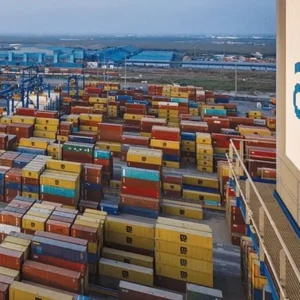
Malaysia builds the Perlis Inland Port in Perlis, aiming to transform trade with a new rail link. This project targets faster delivery across continents. This is reported by the railway transport news portal Railway Supply.

Mutiara Perlis drives this $111 million initiative, turning Perlis into a vital hub for rail logistics networks. The plan connects Europe, Southeast Asia, and China, providing exporters a dependable option.
Don’t miss…Luxury Tourist Train Debuts in Henan Province
Conflicts in Ukraine and Gaza disrupt sea routes, so Malaysia speeds up its Pan-Asian rail network vision. This system moves goods like rubber and palm oil efficiently across Asia.
The rail network runs from Singapore through Malaysia, Thailand, and Laos, reaching China with strong links. Routes also extend to Vietnam, Cambodia, Myanmar, and India for broader access.
Mutiara Perlis plans to stretch this network to Xian, tying into China’s Belt and Road Initiative. This move aligns with the EU’s Transport Corridor, boosting trade potential significantly.
“The Ukraine war ignited this, and Gaza’s conflict fueled urgency,” Abbas Hyder Bilgrami states clearly. As chief strategy officer, he points to shipping chaos as the driver.
Trade between Europe and China via rail hit $516.5 billion last year, up 3 percent. Chinese exports led, sending over 330,000 containers west, though returns stay low.
European data shows fewer than 50,000 containers return, highlighting a trade gap to address. Mutiara Perlis leaders say attracting European firms is key to balancing this flow.
“China may not want much from Europe, but Southeast Asia does,” Abbas notes confidently. Thus, securing return cargo remains a top priority for the project’s success.
Rail cuts delivery times, giving industries an edge over slower sea shipping options. Hamburg-to-Shanghai trips drop from 40 days by sea to 21 days by rail.
“Sectors like electronics and perishables gain most from this speed,” Kevin Parkerson explains. The U.S. logistics expert says cost and reliability will shape the corridor’s future.
Perlis Inland Port Faces Regional Challenges
Southeast Asia’s uneven rail systems create obstacles for this bold rail corridor project. Old infrastructure and mismatched track gauges slow down seamless cross-border movement.
“Thailand aims to upgrade, but Malaysia keeps smaller gauges,” G. Naidu warns cautiously. This transport economist notes that gauge differences could raise border crossing costs.
Malaysia’s Transport Minister Anthony Loke calls for teamwork with Thailand and Laos on rules. Without smooth customs, delays could weaken rail’s promise of quick delivery.
Geopolitics add risks, as the main route crosses Russia amid ongoing conflicts. Logistics firm Dimerco warns that trade disruptions and restrictions could halt progress.
Yet, successes like the Asean Express from Hanoi to Poland show promise for rail. Malaysia’s own train recently completed a round trip to Chongqing with electronics.
The new hub’s first phase, due in July, targets 300,000 containers yearly for Thai exporters. Rubber shipments will flow through Penang, enhancing regional trade links.
Phase two, starting in 2026, plans to double capacity to 600,000 containers annually. The final stage will hit 1 million, handling goods from Europe and China.
Mutiara Perlis sees this hub as Malaysia’s rail freight center, linking key industrial zones. It will consolidate cargo from Penang, Selangor, Johor, and Sumatra effectively.
“Some doubt us, but we must begin to join this network,” Wan Ahmad Zaheed argues. The managing director predicts rail will shine in the next decade.
Perlis Inland Port Seizes Trade Opportunities
Shipping dominates Europe-Asia trade, moving 17.1 million containers in 2024’s first nine months. But sea route weaknesses from conflicts create openings for rail alternatives.
“You see cargo shifting to rail from China to Europe now,” Naidu observes keenly. This trend highlights rail’s growing role amid global trade uncertainties.
Source, photo: www.scmp.com
News on railway transport, industry, and railway technologies from Railway Supply that you might have missed:
Find the latest news of the railway industry in Eastern Europe, the former Soviet Union and the rest of the world on our page on Facebook, Twitter, LinkedIn, read Railway Supply magazine online.Place your ads on webportal and in Railway Supply magazine. Detailed information is in Railway Supply media kit