Open-Gangway Trains Launch on G Line in MTA Upgrade
15.03.2025
MTA Rolls Out Open-Gangway Trains on G Line in Modernization Push. This is reported by the railway transport news portal Railway Supply.

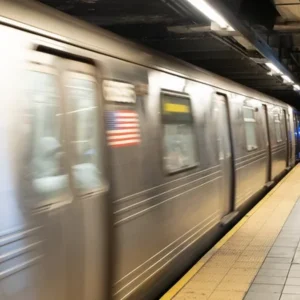
The Metropolitan Transportation Authority launches open-gangway trains on the G line now. These cars feature security cameras, accessible seating, and wider doors for commuters.
Don’t miss…New Railway Station Boosts Devon Connectivity
New York City Transit celebrates a milestone by introducing connected cars to the G line. Riders now enjoy a 15% chance of boarding these advanced cars during their commute.
Last year, the MTA first deployed open-gangway trains on the C line with success. Now, the G line joins as the second route featuring this innovative design.
Open-Gangway Trains Boost Subway Efficiency
The R211 subway cars play a key role in upgrading the MTA’s transit network. Engineers equip each car with pre-installed cameras and design doors 58 inches wide.
Wider doors, eight inches broader than standard ones, speed up boarding and cut delays. Additionally, the cars offer more accessible seats, digital displays, and brighter lights.
In 2024, the New York City Transit Committee greenlit an order for 435 R211 cars. This purchase includes 355 closed-end units and 80 connected cars for expansion.
The order boosts the total R211 fleet to 1,610 cars, enhancing service across lines. Consequently, these trains will phase out older models and improve overall reliability.
Open-Gangway Trains Replace Aging Fleet
The R211s soon replace the aging R44s on the Staten Island Railway completely. They also succeed the R46 cars, which serve the A and C lines currently.
For decades, R46 cars have operated on the N, Q, R, and W lines reliably. However, the new R211s promise greater efficiency and fewer mechanical breakdowns.
The MTA targets replacing the R68 cars, running since the mid-1980s, with this upgrade. These older trains primarily serve the B, D, N, and W lines now.
Reliability defines the R211, achieving a mean distance between failures of 220,000 miles. In contrast, the R46 manages only 46,000 miles before needing repairs.
This metric highlights how far a train travels before maintenance becomes necessary. Thus, the R211 ensures smoother rides and less downtime for busy commuters.
Modernization drives the MTA’s vision, and the R211 cars deliver on that promise. Passengers benefit from enhanced safety, comfort, and efficiency with every trip.
The G line’s new trains mark a bold step forward in subway innovation. Meanwhile, the MTA continues expanding this technology across New York City’s system.
Commuters appreciate the brighter signage and detailed digital displays in every R211 car. Because of these upgrades, navigating the subway becomes easier and more enjoyable.
The MTA commits to transforming public transit with each new R211 deployment. And so, New Yorkers can expect a more reliable subway experience soon.
This initiative reflects the agency’s focus on meeting modern commuter needs effectively. Therefore, the R211 rollout strengthens New York City’s transit future significantly.
Source, photo: railway-usa.com
News on railway transport, industry, and railway technologies from Railway Supply that you might have missed:
Don’t miss…SEPTA Launches New Rail Schedules on Sunday
Place your ads on webportal and in Railway Supply magazine. Detailed information is in Railway Supply media kit