Open Gangway Cars Stir Debate in NYC Subway
26.03.2025
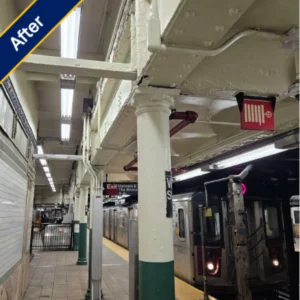
The MTA recently introduced open gangway cars on Brooklyn’s G line, sparking debate. These innovative trains allow riders to move freely, yet safety concerns grow daily. This is reported by the railway transport news portal Railway Supply.

This design enhances passenger comfort and reduces overcrowding on busy subway lines effectively. However, critics argue it compromises safety, and thus the public remains sharply divided.
Don’t miss…KTX Fare Increase Set to Rise After 14 Years
The MTA plans to invest $1.3 billion, ordering 80 more barrier-free cars by 2028. Meanwhile, G line commuters get only a one-in-five chance to ride them.
Supporters cheer how these trains ease cramped commutes, especially on shorter routes daily. For instance, riders shift cars and find space, cutting stress significantly now.
Overcrowding plagues subway users, and this solution offers relief to packed trains quickly. Commuters often feel trapped, so extra mobility improves their experience quite noticeably.
Yet safety fears loom large, and many worry crime could rise without barriers. Offenders might dodge detection easily, slipping between cars during illicit acts underground.
New York’s subway already battles theft, harassment, and worse crimes almost constantly. Barrier-free designs might worsen this, so caution overshadows the excitement for many.
Open Gangway Cars: Comfort vs. Security
The $1.3 billion project fuels debate, and some demand funds prioritize security instead. Better lighting and patrols could curb crime, yet comfort takes center stage.
Advocates insist these trains improve rides, but critics push for stronger safety measures. Balancing both proves tough, and the MTA faces scrutiny to deliver results.
Comfort appeals to riders, yet security anchors trust in the subway system fully. Without it, even sleek trains won’t sway wary commuters to embrace change.
The discussion intensifies, and the MTA must weigh benefits against crime risks carefully. Success depends on tackling fears, or this novelty might flop spectacularly.
Public views clash fiercely, so the agency treads a tricky path to please all. Gothamist and NBC New York highlight stakes in this bold rollout clearly.
Open Gangway Cars Face Real-World Test
Overcrowding relief draws praise, but safety gaps could derail long-term gains entirely. The MTA pushes innovation, yet subway crime remains a stubborn reality.
Riders crave smooth trips, and barrier-free trains promise that if security holds firm. This balance shapes the future, so the agency’s moves attract attention.
The G line trials test this idea, and success might reshape subways citywide. For now, commuters watch closely, because comfort alone won’t win them over.
Crime worries linger heavily, and the MTA must bolster security to ease doubts. Only then can these trains shine, and riders might accept them fully.
This $1.3 billion bet tests priorities, so the MTA juggles progress with rider needs. Results will show if open gangway cars transform NYC’s subway for good.
Source: thefordhamram.com
News on railway transport, industry, and railway technologies from Railway Supply that you might have missed:
Find the latest news of the railway industry in Eastern Europe, the former Soviet Union and the rest of the world on our page on Facebook, Twitter, LinkedIn, read Railway Supply magazine online.Place your ads on webportal and in Railway Supply magazine. Detailed information is in Railway Supply media kit