New London Trains Stuck in Spain Due to Costly Delays and Storage Issues
08.02.2025
New London trains remain stuck in Spain due to depot delays and rising costs. The £942M project faces setbacks, causing disruptions to the Docklands Light Railway (DLR) upgrade. This was reported by the railway transport news portal Railway Supply.
New London Trains Face Costly Delays
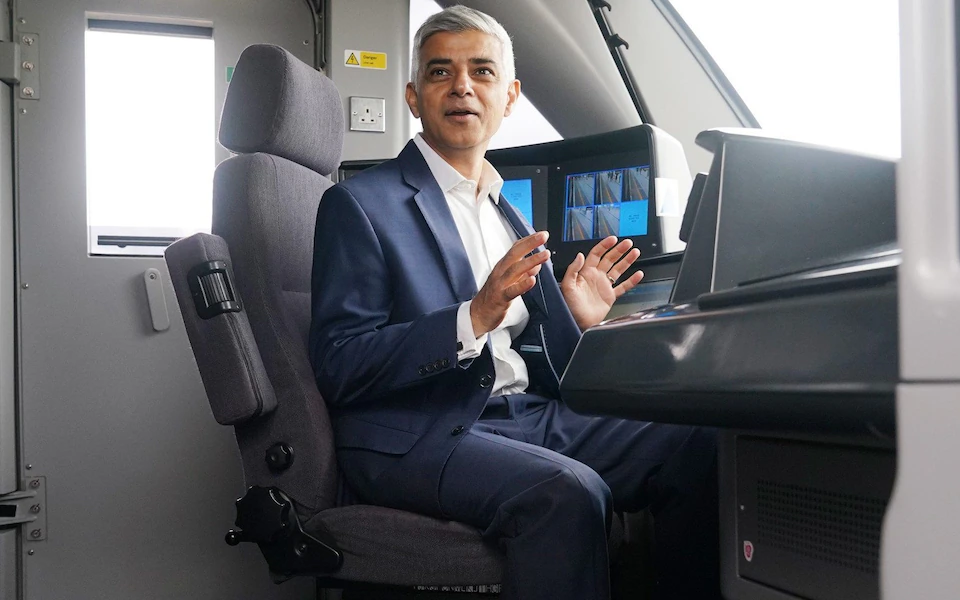
Sadiq Khan has allocated £942M for new London trains, yet they remain stuck abroad. Transport for London (TfL) cites depot construction delays as the primary reason for the disruption.
Don’t miss…Black Country Metro Expansion: Major Construction Work Set to Begin
The Docklands Light Railway (DLR) was scheduled to introduce modern trains this spring, eight years after the initial order. However, most of the new 40 trains are still in Spain due to storage limitations.
A total of 54 trains were purchased to replace aging models that have been in service for three decades. Despite these plans, only four units have reached London, while 36 remain at the Spanish manufacturer.
TfL, chaired by Khan, blamed the depot project contractor for halting operations unexpectedly. Buckingham Group, responsible for the Beckton depot expansion, went into administration last year.
Storage Issues Keep New London Trains Abroad
Financial difficulties forced Buckingham Group to collapse while owing £103M to creditors in 2023. A company spokesman attributed the crisis to extreme inflation caused by the Ukraine conflict.
Apart from railway projects, Buckingham Group had been working on a stadium renovation for Liverpool FC. The firm’s unexpected closure caused severe delays, disrupting multiple high-profile construction efforts.
The incomplete depot expansion made it impossible to operate old and new trains together. Consequently, authorities postponed the deployment of upgraded models until further arrangements were made.
Testing setbacks further complicated the project when a new train skidded past a signal in November 2023. Engineers discovered that similar issues could occur across the DLR network.
To prevent future risks, authorities adjusted speed limits and temporarily paused all active train trials. While no passengers were harmed, safety concerns became a significant focus for railway regulators.
The estimated cost of the new fleet surged by £100M within the past eight months. The budget increased from £880M in June 2023 to £942M by December.
TfL disclosed a £35M cost hike in December, following an earlier increase of £61M. Rising financial pressures continue to impact the project’s timeline and overall feasibility.
A TfL spokesperson emphasized the benefits of introducing 54 modern trains for London’s transit system. They aim to improve service frequency, reliability, and accommodate growing passenger demand.
New trains are currently stored in Spain as authorities work through infrastructure setbacks. Delays stem from both depot construction failures and unresolved technical challenges in train operations.
Officials insist they are working diligently to bring the fleet into service soon. They remain optimistic about resolving the issues before the year’s end despite ongoing hurdles.
Source: www.telegraph.co.uk
News on railway transport, industry, and railway technologies from Railway Supply that you might have missed:
Don’t miss…Amtrak Faces Growing Challenges with California Zephyr Delays
Find the latest news of the railway industry in Eastern Europe, the former Soviet Union and the rest of the world on our page on Facebook, Twitter, LinkedIn, read Railway Supply magazine online.Place your ads on webportal and in Railway Supply magazine. Detailed information is in Railway Supply media kit