KRRI unveils innovative bogie for high-speed trains
11.09.2025
KRRI rolled out the idea of an innovative fast train bogie. Aiming at lightening the weight by as much as nearly 30 percent and slashing aerodynamic drag, the bogie can save energy tremendously.
This is reported by the railway transport news portal Railway Supply.
In the last ten years, South Korea’s electricity prices increased by over 70%. Hence, the engineers centered on the bogie, as the bogie’s shape and weight are significant determinants of total energy consumption and speed of the train.
Bogie design optimization
The project features an inner frame and aerodynamic cover that organise the flow of air underneath the train. As KRRI describes, the bogie will nearly be a-third the weight of the currently available models. Nevertheless, it will remain stable even at over 550 km/h speeds.
Don’t miss…Portalp Railway expands automated doors and transport solutions
To reduce mass further, the bogie is fitted with a compact permanent-magnet synchronous motor. The braking system is meanwhile optimized with an electromechanical drive for replacing the pneumatic mechanisms, and yet again the energy efficiency is improved.
Braking system and cooling technology
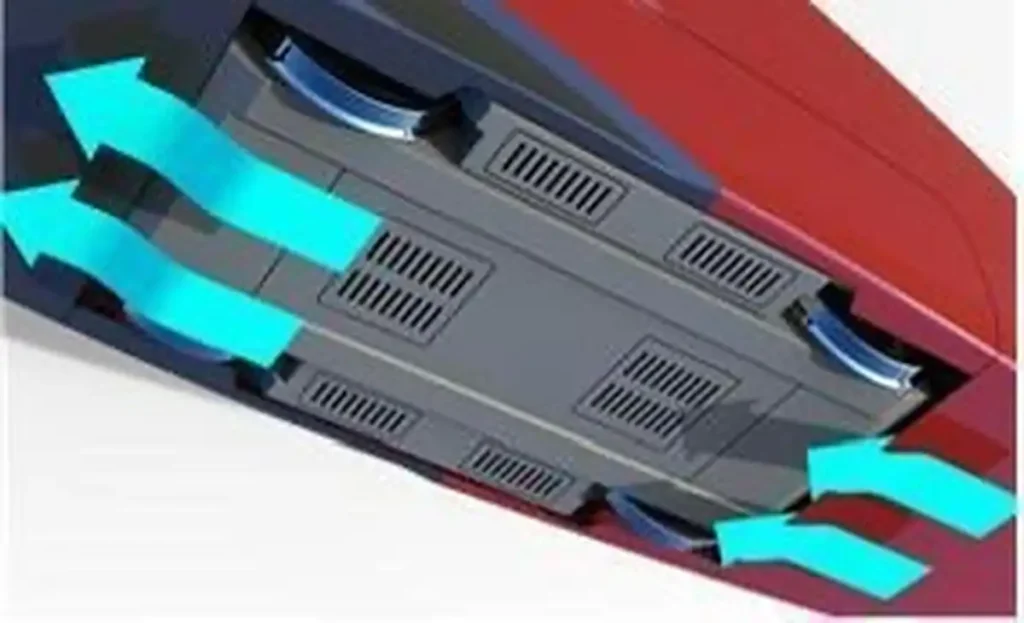
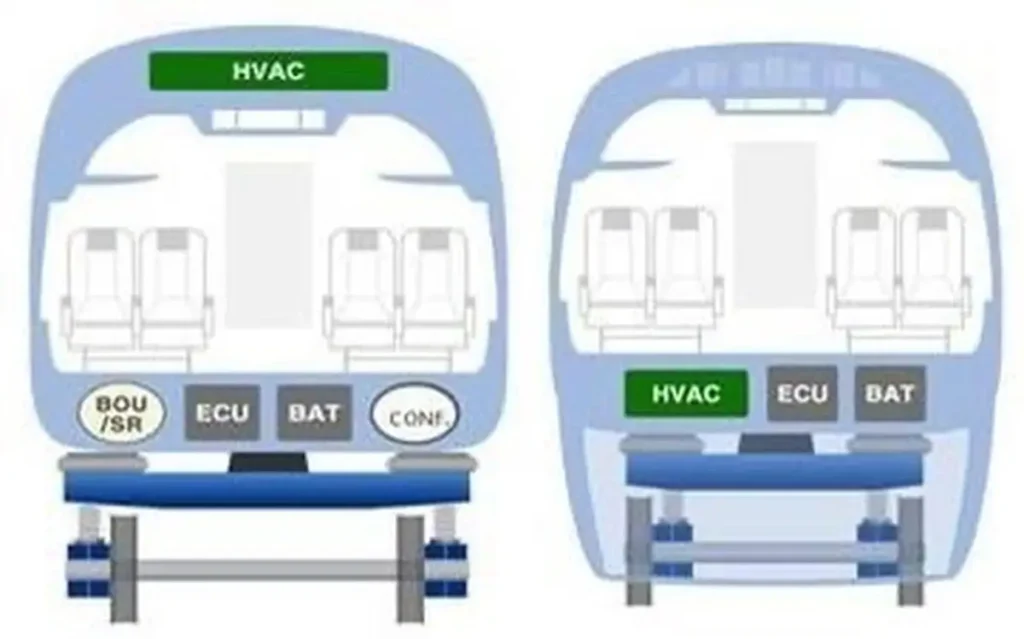
Dense bogie shielding prevents natural ventilation, and therefore engineers developed an active cooling system. This offers stable brake performance for heavy loads and, with it, secures the safety of passengers and equipment.
KRRI highlights the point that such inventions form the basis for further development of the next-generation high-speed rail. Therefore, the project can form the basis for future commercial applications and reaffirm the leadership of South Korea in transport technology.
What is the overall advantage of KRRI’s newly developed bogie?
It reduces mass by nearly one-third and decreases aerodynamic drag, helping cut down energy consumption and boost performance and speed for high-speed trains.
How was the brake system improved?
Engineers substituted the pneumatic drive with an electromechanical system, and the brakes became more compact and more efficient. The engineers also added an advanced cooling system for safety purposes.
Why is the bogie safe at high speeds?
KRRI carried out simulation verifications verifying stability for speeds over 550 km/h, thus enabling the vehicle to operate safely even under worn-wheel conditions.
News on railway transport, industry, and railway technologies from Railway Supply that you might have missed:
Find the latest news of the railway industry in Eastern Europe, the former Soviet Union and the rest of the world on our page on Facebook, Twitter, LinkedIn, read Railway Supply magazine online.Place your ads on webportal and in Railway Supply magazine. Detailed information is in Railway Supply media kit