Indian Railways Freight drives growth in logistics sector
17.08.2025
Indian Railways Freight plays a central role in India’s economy, moving over 1.6 billion tonnes annually, and it helps reduce costs, cut emissions, and strengthen national logistics with sustainable long-distance transport solutions. This is reported by the railway transport news portal Railway Supply.
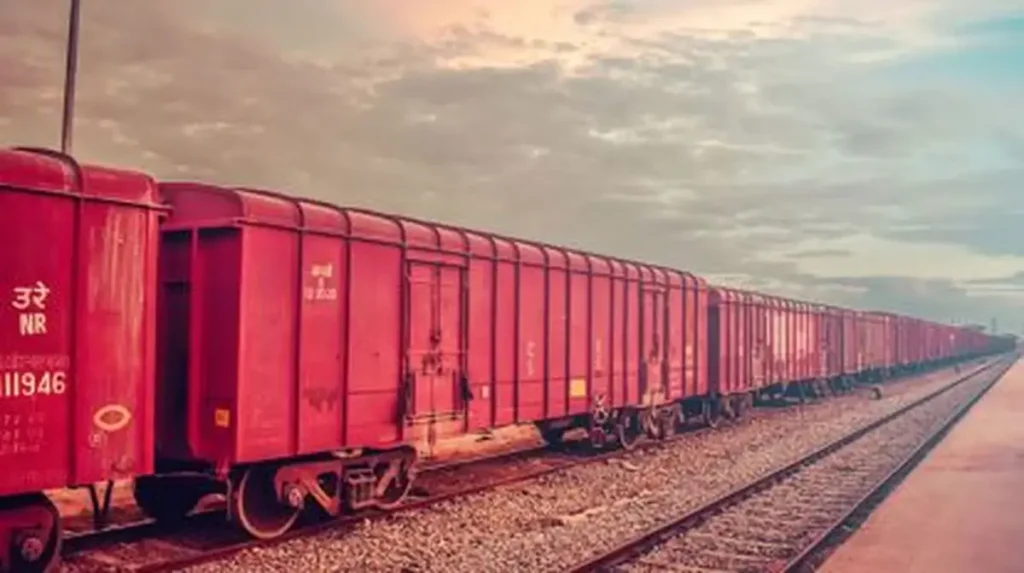
Indian Railways Freight and new Gati Shakti train
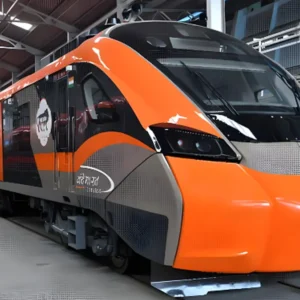
Indian Railways continues to expand its freight network and diversify services. The upcoming Gati Shakti Freight train, built by Chennai’s Integral Coach Factory, will serve e-commerce and FMCG sectors with advanced handling systems and crew amenities.
Don’t miss…Inland Rail reveals designs for new Kemp Street bridge
The train is designed for semi-high-speed operations, so it can challenge road transport in both speed and reliability. And because logistics firms demand faster deliveries, officials expect this service to become a competitive option.
Indian Railways Freight and dedicated corridors
Freight volumes increased from 1,233 million tonnes in 2020-21 to 1,591 million tonnes in 2023-24, a growth of 29%. This shows how policies and investments strengthened capacity, so the system can handle larger flows effectively.
Dedicated Freight Corridors (DFCs) are reshaping operations. The Eastern line stretches from Ludhiana to Sonnagar, and the Western route runs from JNPT to Dadri. Out of 2,843 kilometers planned, 2,741 kilometers—over 96%—are now operational.
These corridors carried more than 130,000 freight trains in FY 2024-25. And because the network prioritizes bulk and container traffic, it provides faster transit, lower costs, and reliable links for industries nationwide.
FAQ
What is Indian Railways Freight and why is it important?
Indian Railways Freight moves bulk commodities like coal, steel, food grains, and petroleum. It supports industries, lowers costs, and reduces congestion, making it vital for India’s logistics sector.
How does Indian Railways Freight compare to road transport?
Rail freight is more economical for long distances, and it cuts carbon emissions. Because of efficiency and sustainability, industries prefer rail for heavy cargo and bulk transport.
Can businesses benefit from the Gati Shakti Freight train?
Yes. The new train will offer faster services for e-commerce and FMCG goods, and it includes advanced systems for handling shipments, making it a strong alternative to trucks.
News on railway transport, industry, and railway technologies from Railway Supply that you might have missed:
Find the latest news of the railway industry in Eastern Europe, the former Soviet Union and the rest of the world on our page on Facebook, Twitter, LinkedIn, read Railway Supply magazine online.Place your ads on webportal and in Railway Supply magazine. Detailed information is in Railway Supply media kit