Gdańsk Terminal Boosts Baltic Hub Capacity
14.03.2025
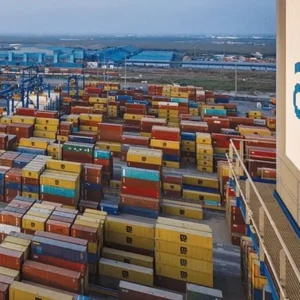
Gdańsk welcomes three new quay cranes at Baltic Hub’s T3 terminal. These cranes lift containers weighing up to 65 tons efficiently. This is reported by the railway transport news portal Railway Supply.

Located on the Baltic Sea coast, the terminal acquires ship-to-shore cranes proudly. They move containers 74 meters horizontally and 55 meters vertically daily.
Gdańsk Celebrates Milestones at Baltic Hub
The 36-hectare terminal expands, and cranes start operating by late 2025 successfully. Consequently, the port’s handling capacity jumps from 1.5 million to 4.5 million TEU.
Don’t miss…SRT Delivered Traction Modules to Saudi Arabia for Maneuvering Operations
Storage yard capacity grows to 64,000 TEU, supporting increased throughput effectively. Meanwhile, rail tracks of 750 meters rise from four to seven.
Four of twelve automated gantry cranes handle container loading and unloading now. These remotely operated cranes connect to an off-site control room seamlessly.
Plans target expanding the gantry crane fleet to 20 units soon. Thus, the terminal strengthens its rail and cargo-handling capabilities significantly.
The terminal in Gdańsk welcomed its first vessel in 2007 with pride. Then, in 2011, it celebrated handling its one-millionth container joyfully.
In 2024, Baltic Hub processes 2.25 million TEU, up from 2.05 million. This growth reflects steady demand and progress for its services annually.
Gdańsk Rises as a Baltic Trade Leader
The terminal accommodates the largest transoceanic container ships with ease. Because of this, Baltic Hub ranks among the Baltic’s top container hubs.
New cranes and infrastructure boost its role in global trade networks actively. Furthermore, upgrades attract more shipping lines to its shores consistently.
The strategic location enhances Poland’s position in maritime logistics greatly. So, Baltic Hub drives economic growth and connectivity across the region.
Investments in automation and capacity signal a forward-thinking logistics approach clearly. Accordingly, the terminal prepares for future shipping demands proactively.
The Baltic Hub’s ascent highlights its growing importance in international trade. And ongoing development promises even greater achievements for the port ahead.
News on railway transport, industry, and railway technologies from Railway Supply that you might have missed:
Find the latest news of the railway industry in Eastern Europe, the former Soviet Union and the rest of the world on our page on Facebook, Twitter, LinkedIn, read Railway Supply magazine online.Place your ads on webportal and in Railway Supply magazine. Detailed information is in Railway Supply media kit