Cambrian Line Rail Crash: Latest Investigations and Key Findings
27.10.2024
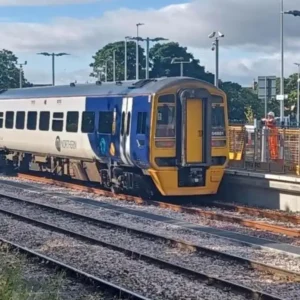
The Cambrian Line Rail Crash near Talerddig claimed one life and injured several others. The Rail Accident Investigation Branch (RAIB) is actively examining the causes of this tragic incident. This was reported by the railway transport news portal Railway Supply.

On Monday evening, a tragic incident on the Cambrian Line resulted in one fatality and injuries to multiple passengers and the driver. Investigators from the Rail Accident Investigation Branch (RAIB) are currently evaluating the causes of this collision near Talerddig, where two trains collided head-on. Initial theories suggest environmental factors may have played a role, but the RAIB will thoroughly review all possible causes before drawing conclusions.
Alstom and partners will receive $16 million to advance hybrid train technology
The accident has raised concerns about the future of rail safety and service reliability on the Cambrian Line. Located in a remote region, the crash site’s proximity to the A470 road allowed rescue teams to reach the scene quickly, providing vital aid to the passengers involved.
Cambrian Line Rail Crash: Investigating the Role of Leaf Fall on Tracks
One focus of the RAIB’s investigation is the effect of fallen leaves on rail adhesion, which may have impacted braking. Preliminary observations suggest that a layer of compacted leaves on the tracks led to a reduction in traction, making it difficult for the train to stop in time. On Sunday night, Network Rail conducted leaf-clearing operations using high-pressure water-jet trains along the Cambrian Line, aiming to minimize these seasonal hazards.
Despite these efforts, the wooded terrain surrounding the Cambrian Line means leaf fall remains a persistent challenge, especially with the onset of wet and windy autumn weather. Similar incidents have occurred in the past, where fallen leaves have caused slippery track conditions, impacting train safety. This situation underscores the unique challenges posed by seasonal changes to rail operations in heavily wooded areas.
Cambrian Line Rail Crash and the Single-Track Safety Concerns
The Cambrian Line operates as a single-track railway, with designated loops allowing trains to pass in opposite directions. The Talerddig loop, located on a slope, adds further complexity, as trains must navigate inclines that have historically posed operational challenges. Single-track systems, common in regions with limited rail funding, present higher risks compared to double-track systems. Transport for Wales has implemented additional safety measures, including speed restrictions on all single-track routes, to address these challenges.

In recent years, technological upgrades like the European Train Control System (ETCS) have been introduced on the Cambrian Line to enhance safety. This system, which automatically triggers braking when a signal is missed, is gradually being implemented across the British rail network. During this investigation, the RAIB will assess ETCS’s functionality on the night of the crash, examining whether its safeguards were effective in this particular scenario.
Ensuring Passenger Safety and Confidence Post-Crash
While rail accidents are relatively rare, incidents like the Cambrian Line Rail Crash underscore the importance of continuous safety improvements. The tragic loss of life and injuries highlight the need for robust systems to handle potential hazards, including seasonal environmental factors. Moving forward, railway operators will need to focus on rebuilding public confidence by implementing additional safety measures and educating passengers on the continued reliability of rail travel.
Provision of Replacement Services in Rural Areas
Following the crash, Transport for Wales has arranged replacement bus services. However, the rural nature of the Cambrian Line means that these services are limited by longer travel times. Additional logistical challenges arise from the need to accommodate a large student population and their luggage, with multiple coaches required to replicate train capacity. These challenges highlight the complexities of maintaining effective service in rural regions when rail lines are temporarily disrupted.
RAIB’s Ongoing Investigation Timeline
The RAIB is expected to release an interim report on the Cambrian Line Rail Crash within the coming weeks, although a complete analysis may take several months. Investigators will thoroughly examine train and track conditions, evaluate operational data from black box recorders, and interview passengers and crew to uncover the root causes of the incident. The findings from this investigation will play a crucial role in informing future safety protocols on the Cambrian Line and potentially across the British rail network.
News on railway transport, industry, and railway technologies from Railway Supply that you might have missed:
Surface Transportation Board Approves Key Railway Deal to Improve U.S. Freight Connections
Find the latest news of the railway industry in Eastern Europe, the former Soviet Union and the rest of the world on our page on Facebook, Twitter, LinkedIn, read Railway Supply magazine online.Place your ads on webportal and in Railway Supply magazine. Detailed information is in Railway Supply media kit