BART Restores Service After Six-Hour Outage in San Francisco
06.09.2025
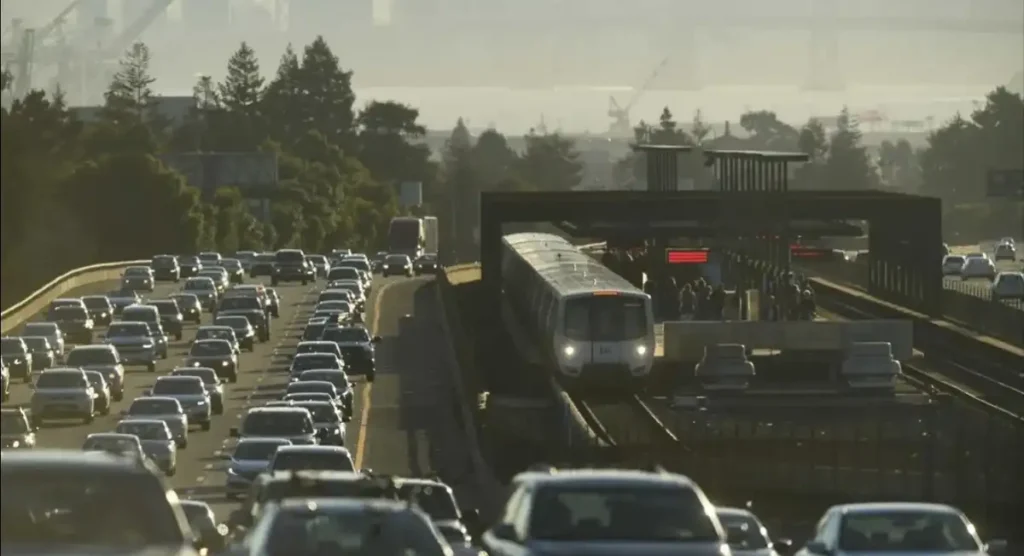
Bay Area Rapid Transit, or BART for short, returned to normal service on Friday after a six-hour service disruption that stranded thousands of commuters in San Francisco and its surrounding counties. The closure of the system shed light on its ongoing infrastructure problems and fiscal strain.
This is reported by the railway transport news portal Railway Supply.
BART closure impacts thousands of daily commuters
Officials explained that the system crashed early on Friday morning due to malfunctioning of computer equipment, and commuters were compelled to use cars and buses on peak hours. Service has now been restored but officials issued warnings of delays on all lines.
Don’t miss…London Tube strike: key facts, timeline, and wider impact
Technical malfunction has been a persistent issue on the network. All of the system’s hardware is still of vintage decades ago, so mechanics have no choice but to use archaic components. The defective control system is also being replaced in an $800 million refurbishment program.
BART faces financing problems and future threats
Other than technical problems, the transit agency also faces financial pressures. The operator has had decreasing revenues ever since aid from the pandemic times ceased. The operator’s credit ranking was lowered in June. The operator faces a budget gap of $400 million by 2027.
State legislators and Gov. Gavin Newsom offered short-term relief with an interest-free loan of $750 million. The loan’s conditions, however, have yet to be agreed upon and might collapse without approval. A local sales tax measure next year in 2026 might prove decisive for stability.
Without additional funds, the system may have to trim service or consider bankruptcy. In the meantime, leaders continue to emphasize the importance of sustainable funding for having reliable San Francisco Bay Area public transportation.
Source: www.bloomberg.com
What caused the latest BART service outage?
A breakdown of computer equipment triggered a six-hour shutdown, shutting down all Bay Area network activities and necessitating commuters to use alternative modes of transportation on peak usage hours.
How is BART addressing its infrastructure issues?
The agency has invested in an $800 million modernization program to refurbish older control systems and provide more reliable service but has numerous aspects that remain obsolete and create continued issues.
Might BART go bankrupt if financing fails?
Yes. Without the identification of new revenue streams, such as a potential sales tax measure in 2026, the agency would face radical service cuts or perhaps entering Chapter 9 bankruptcy due to an exploding budget shortfall.
News on railway transport, industry, and railway technologies from Railway Supply that you might have missed:
Find the latest news of the railway industry in Eastern Europe, the former Soviet Union and the rest of the world on our page on Facebook, Twitter, LinkedIn, read Railway Supply magazine online.Place your ads on webportal and in Railway Supply magazine. Detailed information is in Railway Supply media kit