Alstom Unveils Driverless Metro Train for São Paulo: Innovations and Safety at a New Level
27.06.2024
The company Alstom has unveiled the design of a new driverless metro train intended for São Paulo’s Metro Line 6, this is reported by the railway transport news portal Railway Supply.
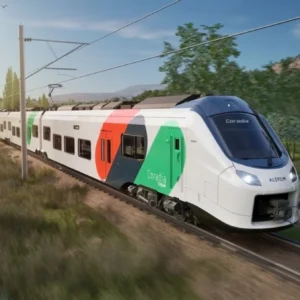
The design was demonstrated at the Alstom Lab 4.0 virtual reality laboratory, where attendees could view a 3D model of the future train’s exterior and interior.
The Moldovan Railway: Auction for Sale of Freight Wagons
Production of the first stainless steel cars has already begun at the plant in Taubaté, Brazil.
The contract for the supply of 22 six-car trains of the Metropolis platform was signed in 2020.
This contract is an important step in the development of São Paulo’s transportation infrastructure.
Each train will be able to accommodate up to 2,044 passengers and reach speeds of up to 90 km/h.
The trains will be equipped with the highest level of automated driving system, GoA4, making them fully automated and driverless.
Additionally, the trains will feature passenger counting systems, video surveillance, smoke detection, and fire suppression systems.
This ensures a high level of safety and comfort for passengers.
The first section of Line 6, covering 15.3 km with 15 stations, is scheduled to begin operations in November 2025.
It is expected that the line will handle around 633,000 passengers per day, significantly improving transportation accessibility and convenience for city residents.
The creation of the new driverless metro train for São Paulo is part of Alstom’s global strategy to develop and implement innovative technologies in the transportation sector.
The company is actively working on creating sustainable and efficient transportation solutions that improve the quality of life in cities around the world.
Alstom already has experience in developing and implementing driverless train control systems, and the project for São Paulo will be another confirmation of the company’s high competence in this field.

The implementation of such technologies allows for significantly improved traffic safety, reduced operating costs, and increased metro efficiency.
In conclusion, the development of transportation infrastructure is a key factor in improving the urban environment and the quality of life for residents.
The project to create a driverless metro train for São Paulo is an important step in this direction, and its successful implementation will be a significant achievement for both the city and Alstom.
Video: Alstom
Rail business, industry, and railway technology news from Railway Supply that you might have missed:
LTG Infra: Solar Panels on Noise Absorbing Screens
Find the latest news of the railway industry in Eastern Europe, the former Soviet Union and the rest of the world on our page on Facebook, Twitter, LinkedIn, read Railway Supply magazine online.Place your ads on webportal and in Railway Supply magazine. Detailed information is in Railway Supply media kit