Egypt Plans to Establish Seven Powerful Logistics Corridors to Boost Trade and Economy
09.09.2024
Egypt is accelerating efforts to become a major transport and logistics hub in the Middle East, this is reported by the railway transport news portal Railway Supply.

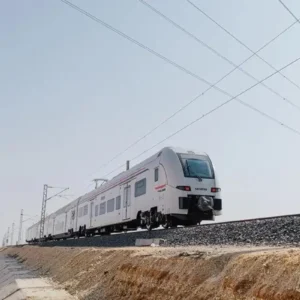
Photo Credit: Richard Gennis
According to the sustainable development plan for 2030 and the directives of President Abdel Fattah el-Sisi, the country is actively developing a network of seven integrated logistics corridors.
Türasaş Demonstrates the Assembly Process of Turkey’s First Electric Train
These corridors are designed to connect key industrial, agricultural, and mining areas with the Red Sea and Mediterranean ports.
Their creation aims to improve transport infrastructure, including railway and road routes, and support new urban communities and dry ports.
The first corridor, Sokhna – Alexandria, links the eponymous ports on the Red Sea and the Mediterranean, passing through major industrial zones and settlements such as Cairo and the 6th of October City. This route will become an essential artery for economic interaction between the country’s regions.
The second route, Arish – Taba, connects the Port of Arish with Taba on the Gulf of Aqaba, supporting industrial zones on the Sinai Peninsula and creating conditions for expanding the region’s logistical capabilities. Special attention is given to servicing large industrial facilities.
The third corridor, Cairo – Alexandria, stretches from Upper Egypt to the seaport of Alexandria. It connects key dry ports and industrial hubs, significantly enhancing the country’s freight transportation capabilities.
The Tanta – Mansoura – Damietta corridor is focused on supporting agricultural and industrial zones in the Nile Delta. Through an existing railway line, it links these areas with the Port of Damietta, optimizing logistics and reducing delivery times for goods.
Another strategic route, Gargoub – Sallum, extends from the Port of Gargoub to the land port of Sallum. This corridor will facilitate trade between Egypt and Libya, providing dedicated rail routes and simplifying the movement of goods between the two countries.
Equally important is the Cairo – Aswan – Abu Simbel corridor, which includes the construction of a high-speed rail network. It aims to support logistics zones in Upper Egypt and the development of agricultural areas, accelerating the region’s economic growth.
The last but equally significant route is the Safaga – Qena – Abu Tartour corridor. It connects the Port of Safaga with key logistics zones and includes a network of high-speed electric trains, significantly improving transport links between the country’s regions.
All seven logistics corridors are designed to enhance the efficiency of Egypt’s domestic and international trade.
These large-scale projects will not only strengthen the country’s economy but also position it as a key center for the region’s transport and logistics industry, increasing export and transit capabilities.
Source: www.railwaysafrica.com
Photo Credit: Richard Gennis
Rail business, industry, and railway technology news from Railway Supply that you might have missed:
Find the latest news of the railway industry in Eastern Europe, the former Soviet Union and the rest of the world on our page on Facebook, Twitter, LinkedIn, read Railway Supply magazine online.Place your ads on webportal and in Railway Supply magazine. Detailed information is in Railway Supply media kit