Development of 5G technology on railway infrastructure
08.02.2024
In the federal state of Mecklenburg-Western Pomerania, innovative experiments in radio communication using the 5G standard have begun, this is reported by the railway transport news portal Railway Supply.

An experimental section approximately 10 km long has become a platform for implementing the Gigabit Innovation Track (GINT) project, supported by the German Ministry of Digitalization and Transport (BMDV).
Procurement of trains for the Brasília Metro
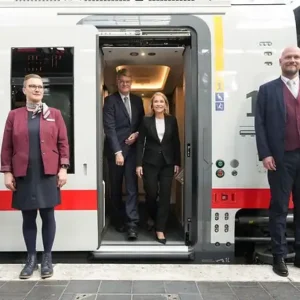
Deutsche Bahn (DB), Ericsson, O₂ Telefónica, and Vantage Towers Mobilfunk are participating in this ambitious research project.
The next-generation mobile communication system was deployed promptly thanks to the collaboration of these companies.
Interestingly, cell towers equipped with antennas and telecommunication equipment were installed in record-short time frames.
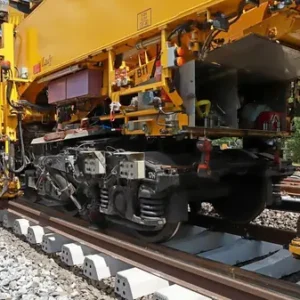
The use of steel struts instead of traditional concrete foundations significantly accelerated the process and reduced costs.
A feature of the project is its focus on the joint use of infrastructure by railways and mobile network operators.
The development of interaction models between companies is envisaged for the efficient functioning of the system.
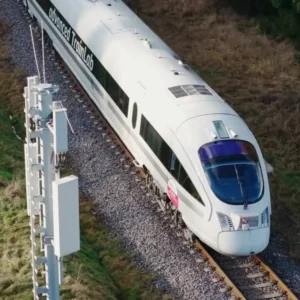
In spring 2024, the advanced TrainLab laboratory train will begin operating on the experimental section.
It will conduct testing of base stations and antennas, as well as collect data for further system optimization.
It is expected that by the 2030s, the system’s throughput will reach 5 Gbps per train, providing passengers with access to high-quality internet and telephone services.
The results of the research project will be presented by the end of 2024, opening up new perspectives for the development of radio communication technologies and transport infrastructure.
Photo: DB
Rail business, industry, and railway technology news from Railway Supply that you might have missed:
The Ukrainian government has allowed Ukrzaliznytsia to pay for French rails
Find the latest news of the railway industry in Eastern Europe, the former Soviet Union and the rest of the world on our page on Facebook, Twitter, LinkedIn, read Railway Supply magazine online.Place your ads on webportal and in Railway Supply magazine. Detailed information is in Railway Supply media kit