Chinese Container Cranes Pose Cybersecurity Risks to U.S. Ports
27.11.2024
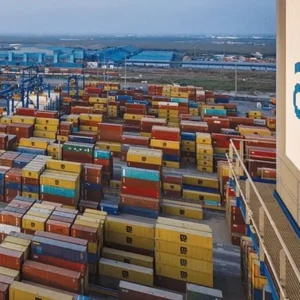
The U.S. Coast Guard has intensified warnings about security risks linked to Chinese Container Cranes. This action emphasizes the urgency of addressing vulnerabilities threatening American maritime infrastructure and operations. This was reported by the railway transport news portal Railway Supply.

Key Cybersecurity Concerns with Chinese Container Cranes
A newly issued MARSEC Directive 105-5 introduces enhanced cybersecurity measures specifically targeting ship-to-shore cranes from Chinese manufacturers. These requirements build on an earlier directive from February, reflecting heightened concerns over potential threats.
Creating a Leasing Company to Modernize Kazakhstan’s Rail Fleet
The Coast Guard highlighted how vulnerabilities in these cranes’ remote access systems could enable disruptions. Intelligence regarding China’s interest in critical U.S. infrastructure underscores the need for immediate preventive steps to mitigate risks.
Advanced control technology within these cranes could provide unauthorized access to sensitive port systems. This risk affects terminals, computer-based networks, and operational security at multiple maritime facilities across the nation.
Steps to Replace Chinese Container Cranes in U.S. Ports
Approximately 80% of U.S. ports rely on cranes produced by Chinese manufacturers. Shanghai Zhenhua Heavy Industries Co. Ltd., a state-owned enterprise, supplies over 200 cranes actively operating in major container hubs.
To address potential threats, the MARSEC system employs a three-tiered framework for identifying and responding to security risks. These measures aim to enhance communication between stakeholders and ensure quick action.
Earlier this year, President Joe Biden issued an executive order allocating billions for infrastructure upgrades. This funding prioritizes replacing foreign-manufactured cranes with American-made alternatives. These efforts align with broader strategies to fortify national supply chain resilience.
Under this directive, relevant parties, including port operators and crane owners, must coordinate with local Coast Guard authorities. This step ensures they follow clearance-sensitive protocols to safeguard critical operations and compliance standards.
These actions reflect the U.S. commitment to protecting infrastructure, maintaining maritime security, and countering foreign cyber threats effectively. The heightened vigilance underscores a proactive approach to addressing evolving challenges in global trade dynamics.
Source: www.freightwaves.com
News on railway transport, industry, and railway technologies from Railway Supply that you might have missed:
Passengers Contribute Billions Annually to Boost Local Economies
Find the latest news of the railway industry in Eastern Europe, the former Soviet Union and the rest of the world on our page on Facebook, Twitter, LinkedIn, read Railway Supply magazine online.Place your ads on webportal and in Railway Supply magazine. Detailed information is in Railway Supply media kit