Chicago-area transit overhaul: Pritzker signs $1.5B plan
18.12.2025
Chicago-area transit overhaul legislation signed by Gov. JB Pritzker — per Gov. Pritzker’s newsroom — will send $1.5 billion per year to CTA, Metra and Pace and change how the system is governed and overseen.
This is reported by the railway transport news portal Railway Supply.
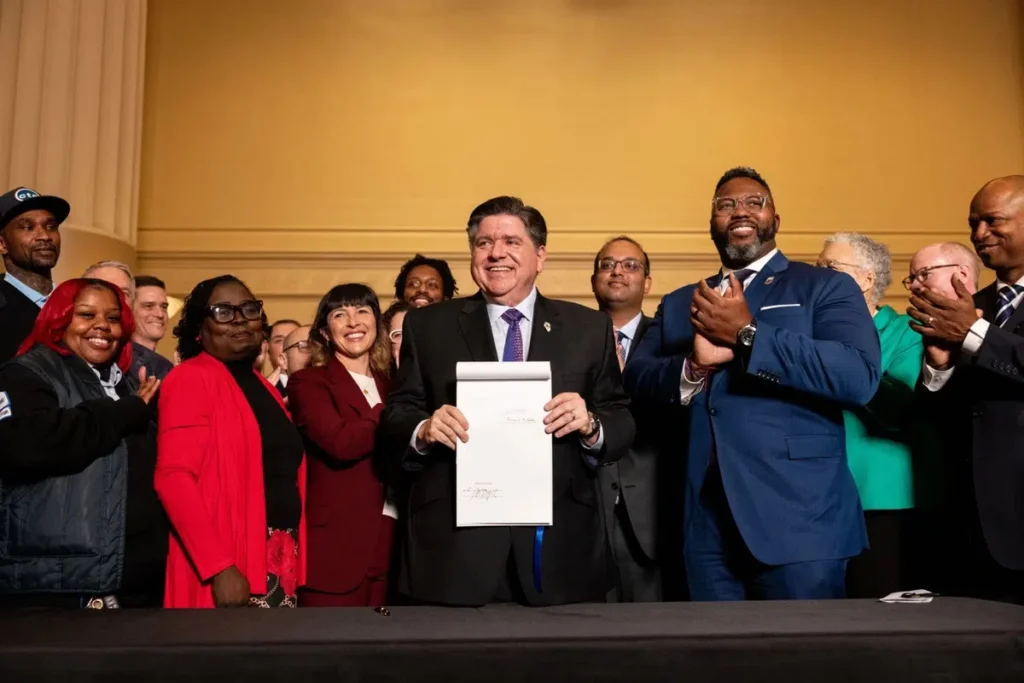
Lawmakers said the package ends years of debate over how to manage and finance the three agencies as they try to rebound from the COVID-19 pandemic. It also responds to service and safety concerns that have followed ridership declines over the past five years.
Funding plan and governance shift to NITA
To close a budget shortfall of more than $200 million projected for next year, the legislation redirects gas sales tax revenue, uses interest tied to the state’s massive road fund, and raises a Chicago-area sales tax by 0.25%.
Don’t miss…UP Metra trackage rights: UP urges STB to reject Metra motion
Once it takes effect next spring, it will replace the Regional Transportation Authority with a strengthened Northern Illinois Transportation Authority (NITA), a change also summarized by Railway Supply. Under the new setup, fares will be collected through a unified fare collection system managed by NITA, and the agencies will be subject to independent audits every five years.
Democratic leaders pointed to these changes at a Union Station press conference. Pritzker, who had long indicated he would sign the bill after it passed the Illinois General Assembly in the waning hours of the fall veto session on Oct. 31, said the measure averts a looming fiscal cliff while preserving affordability.
Transit safety measures across CTA, Metra and Pace
The Chicago-area transit overhaul creates a task force led by the Cook County Sheriff’s Office to coordinate law enforcement across the regional system. It also calls for unarmed transit ambassadors to patrol buses, trains and stations, and for a new mobile application that enables real-time crime reporting.
Supporters in organized labor and environmental groups said the deal improves oversight and safety without raising fares or imposing the service cuts the agencies had warned could become inevitable. Negotiations over the package had been underway since 2023.
Tolls, political divide and board representation
Tolls are expected to rise to help further bolster transit coffers, though the Illinois Tollway board still must vote on any increase — a detail also noted by the Associated Press. The proposal anticipates tolls increasing by 45 cents for passenger cars and by 30% for commercial vehicles. Pritzker said tolls in Illinois have not been raised “for quite some time.”
Pritzker praised Democratic lawmakers for advancing the legislation in Springfield and singled out west suburban state Sen. Seth Lewis as “the sole Republican who voted to save our transit systems.” He added that transformation will take time, but said there is an immediate push to upgrade service and provide safer rides for people on transit over the coming year.
Republican leaders criticized the measure as a bailout for “Chicago’s broken transit system,” noting that downstate transit agencies are expected to receive about $129 million from the package. Illinois House Minority Leader Tony McCombie, R-Savanna, argued the law permanently diverts more than $1 billion each year from the Road Fund, money she said was constitutionally promised for roads and bridges, to support transit operations. State Senate Minority Leader John Curran, R-Downers Grove, said it will raise costs for suburban families through tax hikes and surcharges while reducing suburban representation on transit decisions.
Under the new oversight model, the incoming 20-member NITA board could include up to 15 members from Cook County, in addition to representatives from Lake, McHenry, Kane, DuPage and Will counties. Separately, the seven-member CTA board will include three mayoral appointees and two each from the governor and the Cook County board president.
News on railway transport, industry, and railway technologies from Railway Supply that you might have missed:
Find the latest news of the railway industry in Eastern Europe, the former Soviet Union and the rest of the world on our page on Facebook, Twitter, LinkedIn, read Railway Supply magazine online.Place your ads on webportal and in Railway Supply magazine. Detailed information is in Railway Supply media kit