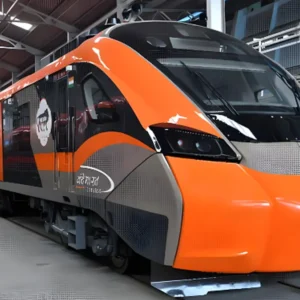
Chandigarh-Amritsar Express cancelled as 56 winter fog trains stop
01.12.2025
Chandigarh-Amritsar Express cancelled this winter as Indian Railways takes 56 trains off the map across North India between December 1, 2025 and March 1, 2026 because of dense fog and low visibility, as reported by The Times of India.
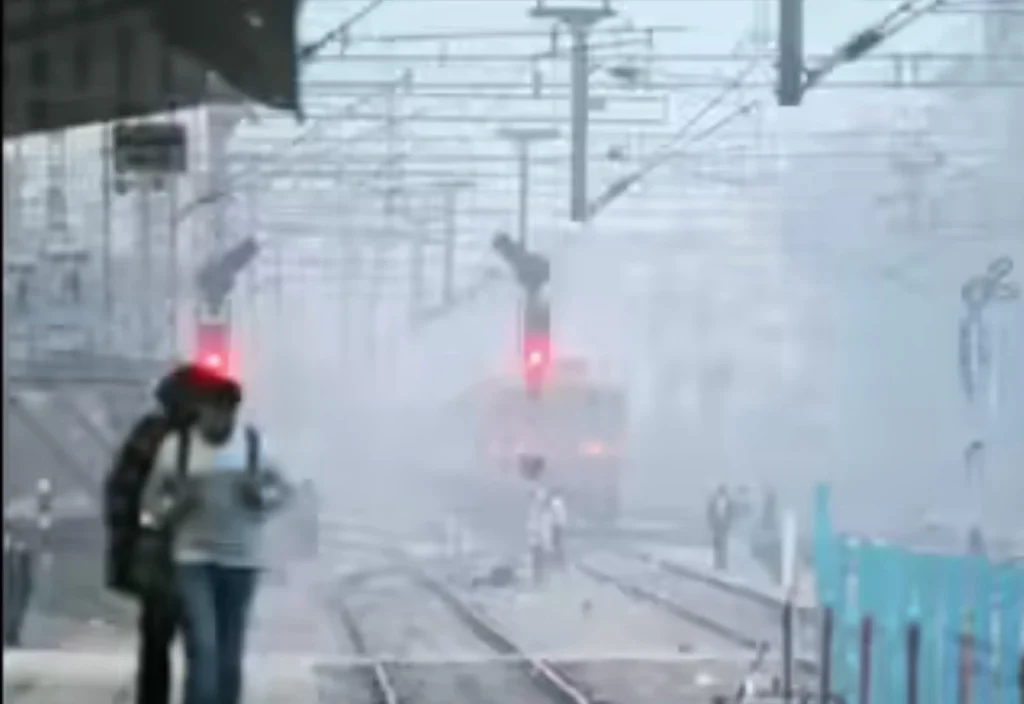
The step is meant to prevent accidents, but the suspensions affect multiple routes through Punjab and neighbouring states, particularly around busy hubs such as Chandigarh, Jalandhar and Ludhiana.
This is reported by the railway transport news portal Railway Supply.
Officials from the Ambala Railway Division stopped advance bookings for all affected services weeks before the fog season peaks.
Notices on the temporary cancellations were sent to station masters and fed into the reservation systems so that passengers would see the changes as they planned or adjusted their journeys. Senior divisional commercial manager Naveen Kumar said the decision is part of an annual winter preparedness plan and pointed out that running long-distance trains in severe fog raises safety risks and can trigger cascading delays across the wider network.
Don’t miss…Hitachi Rail AusRAIL PLUS 2025: Digital Rail for Australia
According to division officials, trimming a selected group of services helps the railways keep operations safer and more predictable on the trains that do continue to run.
The winter fog strategy is meant to cut down on late-running services stuck behind delayed trains and to give dispatchers more room to manoeuvre when visibility suddenly drops along key corridors.
How Chandigarh-Amritsar Express cancellations hit Punjab commuters?
Out of the 56 trains suspended for the season, at least three originate from Chandigarh, while several others run through major Punjab stations including Jalandhar and Ludhiana. As a result, daily intercity travellers and long-distance passengers connecting to Jammu, Vaishno Devi, Amritsar and other major destinations will feel the impact throughout the winter period.
For Chandigarh-bound commuters, the loss of direct services to Amritsar and other cities removes straightforward options for work trips, family visits and pilgrim journeys. Regular passengers on the Chandigarh–Amritsar corridor, along with those who rely on through services linking Punjab with Rajasthan, Uttarakhand, Varanasi and Kolkata, will have to rethink their plans around alternative trains, buses or a mix of both.
The wave of cancellations also affects pilgrims travelling to Shri Mata Vaishno Devi Katra, passengers heading to Jammu and visitors moving from Amritsar towards cities in Rajasthan or eastern India. A broader overview of these winter adjustments to Garib Rath, Vaishno Devi and related trains running through Punjab has also been covered by The Daily Jagran, which focuses on the same set of fog-season suspensions.
Key trains affected across Ambala Division
The railways have identified a group of long-distance and intercity services that will remain off the tracks for much of the winter. Among the most important for passengers in and around Chandigarh and Punjab are:
- Garib Rath Express (12207/12208)
Cancellation period: December 9 – February 24
Route affected: Chandigarh – Amritsar - Yognagari Jammu Tawi Express (14606/14605)
Cancellation period: December 7 – February 22
Route affected: Chandigarh/Jalandhar – Jammu - Lalkuan–Amritsar Express (14615/14616)
Cancellation period: December 6 – January 28
Route affected: Amritsar – Uttarakhand - Jan Sewa Express (14617/14618)
Cancellation period: December 3 – March 2
Route affected: Punjab – Uttarakhand - Kalka–Vaishno Devi Express (14503/14504)
Cancellation period: December 2 – February 28
Route affected: Kalka – Katra - Nangal Dam Express (14505/14506)
Cancellation period: December 1 – February 28
Route affected: Nangal – Ambala – Delhi - Amritsar–Chandigarh Express (14541/14542)
Cancellation period: December 1 – February 28
Route affected: Amritsar – Chandigarh - Amritsar–Ajmer Express (19611/19614)
Cancellation period: December 5 – March 1
Route affected: Amritsar – Rajasthan - Akal Takht Express (12317/12318)
Cancellation period: December 7 – February 24
Route affected: Amritsar – Kolkata - Durgyana Express (12357/12358)
Cancellation period: December 6 – February 28
Route affected: Amritsar – Varanasi - Intercity Express (14681/14682)
Cancellation period: December 1 – March 1
Route affected: Jalandhar – New Delhi
Taken together, these suspensions reshape the winter timetable for passengers across Punjab, Haryana and the wider North India region, especially for those who depend on evening and overnight departures timed around work schedules or connecting services.
Fog management and passenger guidance
Alongside outright cancellations, the winter fog management plan keeps trains that remain on the timetable running under stricter safety rules. This includes the use of anti-fog equipment where it is available and operating services at regulated speeds through low-visibility sections so that drivers can respond safely to signals and track conditions.
The railways are urging passengers to monitor their journeys throughout the fog season via official helplines, online status tools and mobile alerts.
These channels are meant to provide up-to-date information on whether a train is cancelled, operating on a revised schedule or facing delays linked to dense fog. For anyone travelling to or from Chandigarh, Amritsar, Jalandhar, Ludhiana or other affected Punjab stations, checking train status before leaving for the station will remain essential until visibility improves and the full timetable returns after March 1, 2026.
News on railway transport, industry, and railway technologies from Railway Supply that you might have missed:
Find the latest news of the railway industry in Eastern Europe, the former Soviet Union and the rest of the world on our page on Facebook, Twitter, LinkedIn, read Railway Supply magazine online.Place your ads on webportal and in Railway Supply magazine. Detailed information is in Railway Supply media kit