Celebrating the 60th Anniversary of Japan’s High-Speed Rail Revolution
30.09.2024
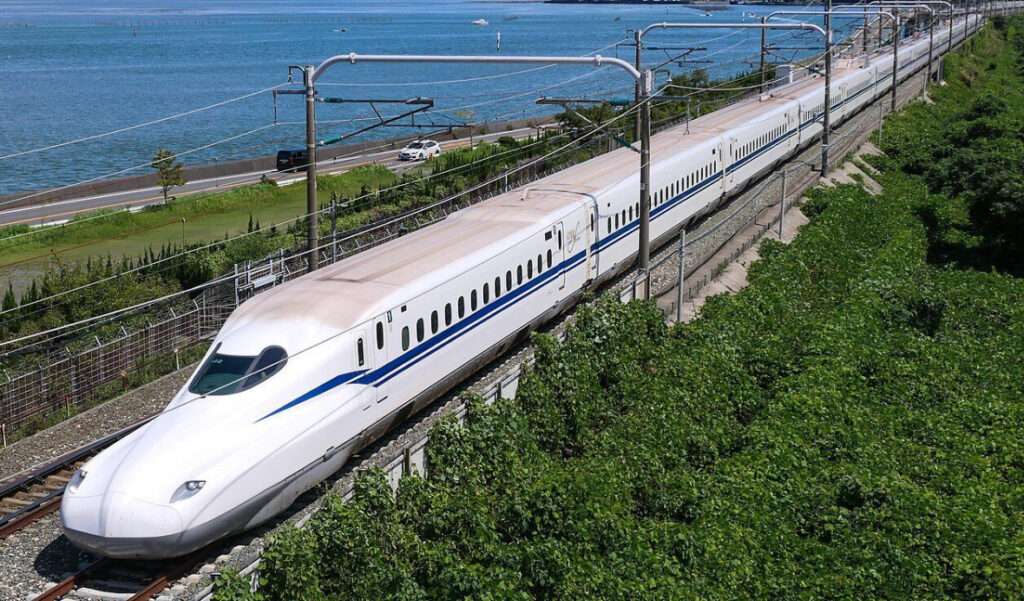
This year marks the 60th anniversary of Japan’s high-speed rail. The first Shinkansen train revolutionized Japan’s transportation system on October 1, 1964, this is reported by the railway transport news portal Railway Supply.
Shinkansen’s Impact on Japan’s Transportation System
Nicknamed the “bullet” for its sleek, futuristic design, the Shinkansen traveled from Tokyo to Osaka in 4 hours and 40 minutes. Today, this journey takes just 2.5 hours, with trains reaching speeds of over 200 miles per hour. During peak times, Shinkansen trains leave every three to five minutes, carrying up to 1,300 passengers on each trip.
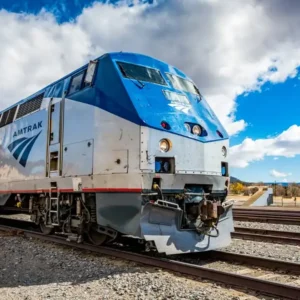
Although the American Amtrak Acela is the fastest train in the U.S., its speed and capacity fall short when compared to Japan’s Shinkansen. Acela’s average speed is only about 80 miles per hour, while the Shinkansen averages well over 155 miles per hour, a benchmark speed for high-speed trains. The Acela can accommodate 304 passengers, but the Shinkansen carries far more.
Stadler Unveils JK Train Series for Berlin Metro at InnoTrans 2024
Japan’s success in high-speed rail stems from its post-war economic boom and urbanization. Major cities like Tokyo and Osaka experienced rapid population growth, creating a demand for efficient transport between these urban centers. The Shinkansen 60th anniversary serves as a reminder of Japan’s innovation.
Before the Shinkansen, Japan’s rail lines were overcrowded, especially on the busy Tokyo-Osaka route. The introduction of the Shinkansen resolved these issues by reducing travel time and offering greater capacity. It was a pivotal moment in Japan’s railway history.
Japan also used the Shinkansen to showcase its technological achievements before the 1964 Tokyo Olympics. The first bullet train became a symbol of Japan’s post-war recovery and engineering prowess. This historical milestone significantly elevated Japan’s standing in the world.
Global Influence and Future Innovations in High-Speed Rail
Today, Japan boasts over 1,800 miles of high-speed rail lines, transporting more than 353 million passengers annually. The upcoming maglev project, slated for completion by 2034, aims to push speeds to 314 miles per hour. This ambitious endeavor, with an estimated cost of $64 billion, continues Japan’s tradition of pioneering rail technologies.
Despite efforts to export its high-speed rail technology, Japan Rail has only seen limited success, most notably in Taiwan. However, Japan’s example inspired other nations like France, which launched its first high-speed TGV train in 1981. Today, France operates over 1,700 miles of high-speed rail.
Currently, China has the world’s largest high-speed rail network, covering 28,000 miles. The line between Beijing and Hong Kong spans 1,400 miles, with a journey time of 8.5 hours. China even offers overnight high-speed trains with sleeper cars, providing comfort over long distances.
In the U.S., high-speed rail projects are slowly gaining traction. California’s high-speed rail between Los Angeles and San Francisco is under construction. Additionally, Brightline West will link Los Angeles and Las Vegas, offering a faster travel alternative for these major cities.
Japan’s high-speed rail innovations continue to influence transportation worldwide, and the Shinkansen 60th anniversary marks not just a celebration of the past but a look forward to future advancements in rail technology.
Rail business, industry, and railway technology news from Railway Supply that you might have missed:
Staff Shortages in Ukrainian Railways Threaten Safety
Find the latest news of the railway industry in Eastern Europe, the former Soviet Union and the rest of the world on our page on Facebook, Twitter, LinkedIn, read Railway Supply magazine online.Place your ads on webportal and in Railway Supply magazine. Detailed information is in Railway Supply media kit