CBTC 5G: new opportunities for digital train control systems
17.11.2025
The CBTC 5G technology is drawing fresh attention from operators and manufacturers because it links radio-based train control with a private 5G network, so it enables faster transmission of critical data and broader real-world testing options.
This is reported by the railway transport news portal Railway Supply.
How CBTC 5G is reshaping the rollout of digital systems?
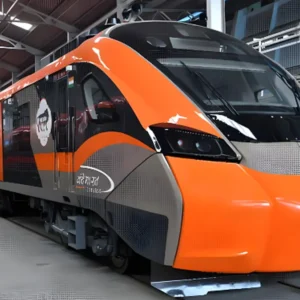
CAF and Cellnex have completed a full validation of the CBTC Optio system, using a private 5G communication network to carry data in a controlled testing environment, according to a joint announcement from Cellnex Telecom.
Don’t miss…Rail-Led Growth and Modernisation at Visakhapatnam Port
They report that the infrastructure delivered stable information exchange and stress that high data-transfer speed and low latency are not just desirable, but essential for core system functions.
The Optio platform went through both laboratory testing and field trials, giving the companies a rare chance to compare how the system behaves under predictable conditions and then on real infrastructure. CAF notes that it first introduced Optio at the InnoTrans 2024 exhibition and then finished system development by the end of that same year, as reflected in its official product launch on CAF Mobility. In practice, this validation round became the next logical step once the core CBTC solution was ready.
Cellnex joined the project as a telecom infrastructure specialist with operations in Spain and other European markets, and it provided the platform for deploying the private 5G network without any interference from commercial traffic. As a result, the partners could focus purely on CBTC behaviour, and they now say that 5G is suitable for CBTC applications and offers the communication characteristics they set out to verify.
Why interest in CBTC 5G keeps growing among operators?
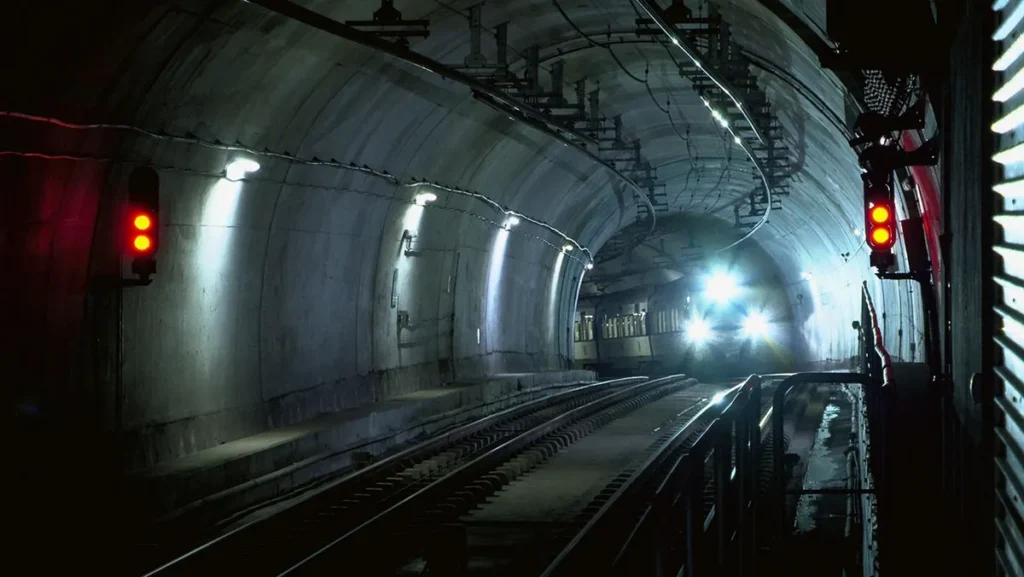
The rise of CBTC 5G is steadily strengthening interest in digital signalling because the combination allows for more precise data transmission between trains and infrastructure. CBTC itself relies on continuous two-way communication between trains and wayside equipment, as explained in Wray Castle’s CBTC overview, and low latency helps that model work in real time. Companies involved in testing point out that this combination is particularly important once traffic density starts to increase.
At the same time, operators are looking at private 5G networks as a practical tool to improve resilience against external threats and overloads. CBTC systems have been used in urban transport networks for years, but private 5G networks make it possible to raise connection quality without depending on shared public capacity. For systems that require continuous train-movement monitoring and timely signalling, this separation from commercial traffic is nearly a necessity rather than a luxury.
Still, the companies have not disclosed detailed timelines for commercial deployment and in their public statements they stick to the completed testing phase.
CAF and Cellnex focus on validated system parameters demonstrated in laboratory and field environments, and they treat this stage as a foundation for future decisions.
Developers continue refining CBTC technologies, so private 5G networks are quietly turning into a key building block for the next generation of signalling solutions.
News on railway transport, industry, and railway technologies from Railway Supply that you might have missed:
Find the latest news of the railway industry in Eastern Europe, the former Soviet Union and the rest of the world on our page on Facebook, Twitter, LinkedIn, read Railway Supply magazine online.Place your ads on webportal and in Railway Supply magazine. Detailed information is in Railway Supply media kit