Canadian Chemical Industry Rescued: Rail Transport Resumed, but Supply Chain Issues Persist
29.08.2024
The Canadian chemical industry breathed a sigh of relief as rail transport resumed after a four-day hiatus, this is reported by the railway transport news portal Railway Supply.

Freight train operations on the Canadian National (CN) and Canadian Pacific Kansas City (CPKC) railways were restarted on August 26.
This was made possible following a labor tribunal decision that ended the strike which began on August 22.
According to Greg Moffatt, Executive Vice President of the Chemistry Industry Association of Canada (CIAC), a prolonged shutdown could have had catastrophic consequences for both the population and the country’s economy.
Moffatt emphasized the importance of rail transport for the chemical industry. Over 500 railcars carrying chemical products are dispatched daily on Canadian railways.
Of particular concern were the deliveries of chlorine, essential for municipal drinking water treatment. Prior to the shutdown on August 22, both railways had ceased accepting chlorine and other hazardous materials, posing a threat to the public.
Additionally, chemicals produced in Canada are fundamental to various sectors of the economy, including agriculture, pharmaceuticals, construction, automotive, mining, and forestry. A significant portion of this production is exported to the United States.
However, normalizing supply chains could take weeks.
John Corey, President of the Freight Management Association of Canada, stated that fully restoring logistics could take up to four weeks.
He believes the government should have intervened earlier to prevent the rail shutdown. Negotiations for new collective agreements had been ongoing since last November but had not yielded results.
Some experts have suggested nationalizing the railways to avoid similar situations in the future. However, John Corey argues that this is not the solution. He reminded that in the last century, railways in North America were state-controlled, but their low efficiency led to the need for deregulation.
He cited the Staggers Act of 1980 in the U.S. and the privatization of CN in Canada in 1995 as examples. According to him, government management of the railways is the worst possible option for preventing future disruptions related to labor conflicts.
Canada faces a new threat to its supply chains. In addition to rail problems, new challenges loom on the horizon for the country’s ports.
Last year, a 13-day strike shut down ports on Canada’s west coast, severely disrupting logistics.
Canadian chemical companies heavily rely on rail for transporting over 70% of their products, with some using rail transport exclusively.
About 80% of Canada’s chemical products are exported, and most of this export is destined for the United States.
Thus, the resumption of rail transport is a temporary solution, but full recovery of normal supply chain operations will require more time and effort.
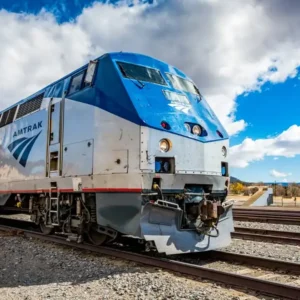
Photo, source: www.icis.com
Rail business, industry, and railway technology news from Railway Supply that you might have missed:
Trans-Maghreb Railway: A New Phase of Construction and Prospects for North Africa
Find the latest news of the railway industry in Eastern Europe, the former Soviet Union and the rest of the world on our page on Facebook, Twitter, LinkedIn, read Railway Supply magazine online.Place your ads on webportal and in Railway Supply magazine. Detailed information is in Railway Supply media kit