BNSF ODIN track inspection system moves onto locomotives
10.12.2025
The BNSF ODIN track inspection system is set to drive a major expansion in how BNSF Railway monitors its infrastructure, relying on locomotives in regular revenue service to carry out automated track geometry inspections.
This is reported by the railway transport news portal Railway Supply.
How the BNSF ODIN track inspection system works
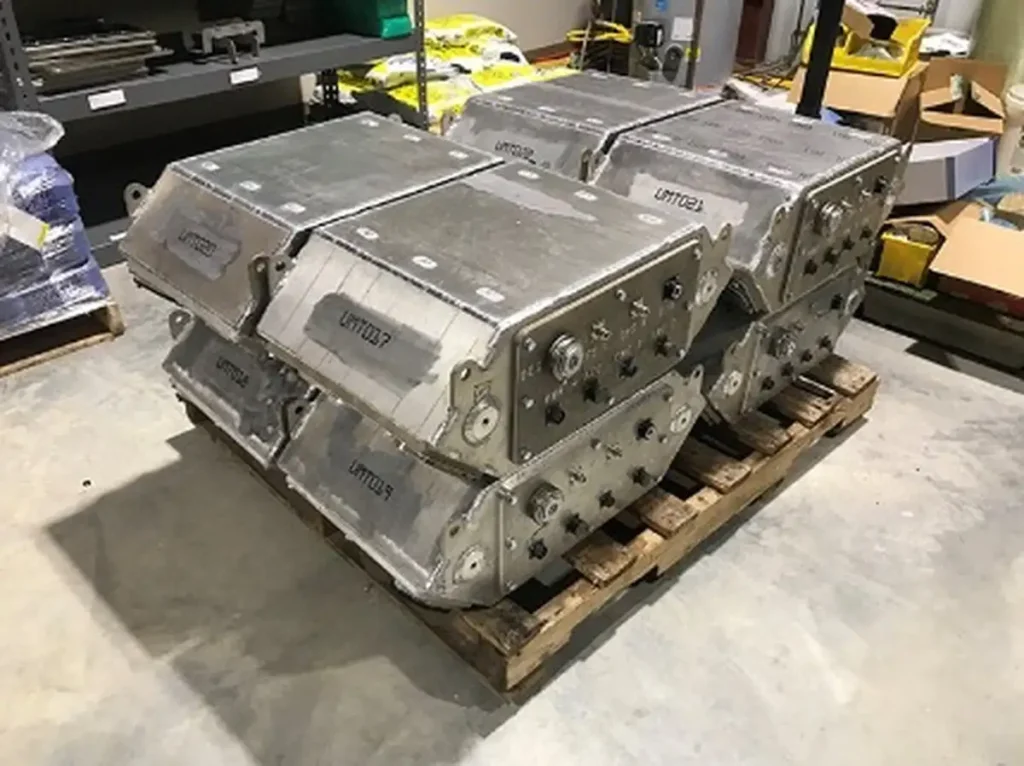
ODIN, short for Onboard Defect Identification & Notification, was developed in-house by BNSF in 2023 as a locomotive-based track inspection solution, BNSF explains on its website. The compact module is mounted beneath the locomotive’s draft gear and combines several track geometry measurement sensors, including lasers, to record gauge, cross-level, alignment and surface condition while trains run in revenue service.
Don’t miss…Madrid Metro Line 11 extension gains EUR 123m for stations
As the ODIN equipment scans the line, the data stream is processed in real time. This allows the railroad to react quickly to emerging defects and address track geometry problems before they turn into derailment risks. In effect, the locomotive-based track inspection concept turns routine train movements across the BNSF Railway network into continuous monitoring runs.
From pilot project to network-wide deployment
The system has completed a two-year pilot program. Once that trial finished, the first locomotive with ODIN on board entered service in September. Since then, BNSF has been steadily extending the rollout: 30 locomotives currently carry ODIN equipment, and four additional installations are planned by the end of the year, as Trains.com reports. By the end of the first quarter of 2026, a further two dozen locomotives are scheduled to receive the system, giving the railroad enough ODIN-equipped units to cover its network on a regular basis.
BNSF’s director of track measurement, Justin Devine, notes that the pilot phase was used to refine the software and improve how defects are detected. “The changes we’ve made have been to improve software accuracy as well as add smarter defect-detection algorithms,” he says.
With ODIN’s performance now validated and production ramping up, BNSF expects to increase annual track inspections tenfold, from 400,000 miles per year to an estimated 5 million miles, raising both the depth and frequency of network-wide inspection.
BNSF’s Technical Research & Development team in Topeka, Kan., produces the ODIN modules. Each unit is roughly the size of a microwave oven and is mounted below the locomotive’s draft gear so the sensors sit close to the rail. By year’s end, ODIN sensors will be installed on 33 ES44C4 locomotives and one ES44AC, extending locomotive-based track inspection to a dedicated group of ES44C4 and ES44AC units used across the system.
Replacing track geometry cars and expanding coverage
According to BNSF, ODIN delivers more precise data than the railroad’s existing track geometry cars. Over time, the locomotive-based track geometry system is expected to replace the four dedicated geometry cars, freeing up both the track time and the crews those specialized trains require and simplifying how BNSF organizes inspection runs across the network.
Externally, ODIN-equipped locomotives can be identified by decals placed next to the steps on both the engineer’s and conductor’s sides. Inside the cab, labels above each crew position indicate that the unit carries the onboard defect identification equipment.
Beyond the main lines, BNSF says the ODIN system will also monitor sidings, yard tracks and industry tracks, extending detailed track geometry inspection to a much broader portion of the network than traditional track geometry cars could regularly reach.
News on railway transport, industry, and railway technologies from Railway Supply that you might have missed:
Find the latest news of the railway industry in Eastern Europe, the former Soviet Union and the rest of the world on our page on Facebook, Twitter, LinkedIn, read Railway Supply magazine online.Place your ads on webportal and in Railway Supply magazine. Detailed information is in Railway Supply media kit