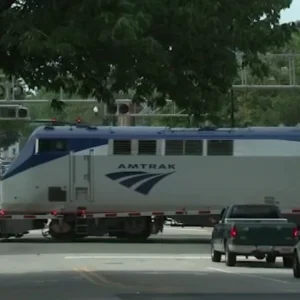
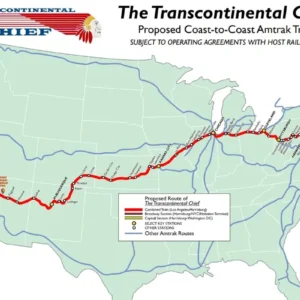
Amtrak Spartan route: Atlanta–Charlotte trains could expand
11.01.2026
Train travel in the United States has been climbing steadily, and the Amtrak Spartan route has become a closely watched idea for filling a key gap in the Southeast.
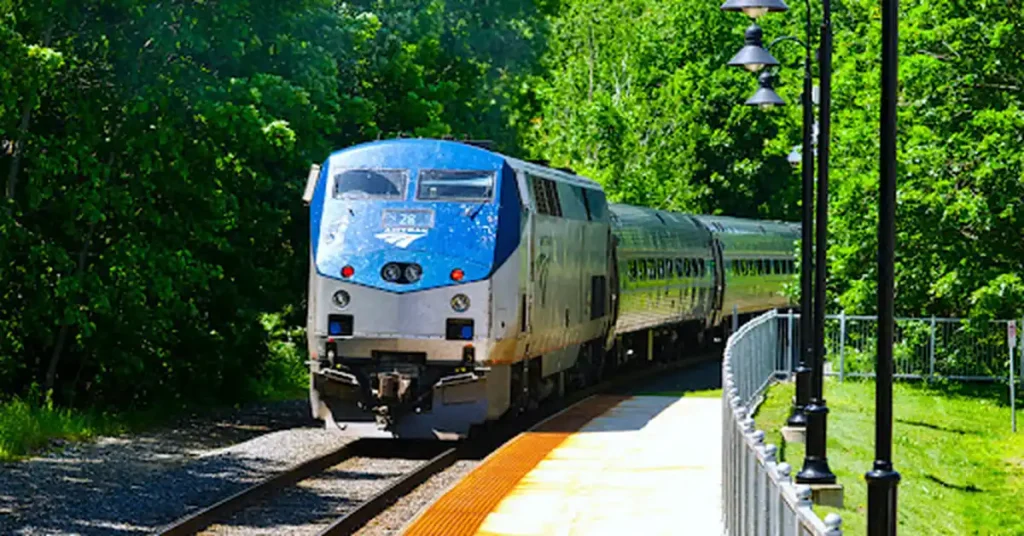
This is reported by the railway transport news portal Railway Supply.
In 2024, Amtrak carried a record 32.8 million passengers — its highest ridership since the company’s creation in 1971 — as reported by Railway Supply. That jump is often cited as proof that reliable rail can compete with both driving and flying. Even so, many parts of the U.S. network still lag on frequency, speed, and comfort, and new federal plans are meant to address those shortcomings.
The pressure is especially noticeable in fast-growing Southern metros. The Metro Atlanta area reached 6.19 million residents in 2024 and is still adding newcomers at a rate of more than one percent per year. Charlotte has been growing as well, recently becoming the nation’s 14th largest city with a population of 943,476. As companies bring more job opportunities — including in tech and finance — both regions are expected to keep expanding.
Don’t miss…Federal-State Partnership grant funding at stake in FY26
Growth has also brought heavier congestion. Atlanta’s traffic is well known, and Charlotte has been dealing with increasing delays, too. Around Charlotte, one major chokepoint is the I-85/I-485 interchange, which handled nearly 200,000 vehicles per day in 2024. With airfares rising, some travelers have been left wondering why a stronger passenger rail option between the two metros is not already in place.
Why improved Amtrak service between Atlanta and Charlotte is overdue?
For now, the long-distance Amtrak Crescent route is the only passenger rail option linking the cities. The schedule offers limited flexibility: the train leaves Atlanta just before midnight, reaches Charlotte before sunrise, and runs only once per day — not a great fit for daytime travel.
Atlanta and Charlotte have also become major relocation destinations tied to expanding job markets in tech and finance. They are home to large university communities as well, including Georgia Institute of Technology, Georgia State University, and UNC Charlotte, which bring an influx of students each year and add to travel demand.
Highway projects, meanwhile, have long timelines. Charlotte’s I-85 widening project is not expected to be completed until 2030, and skeptics say it may not solve the city’s traffic problems. In Atlanta, the I-285 project — intended to connect the expressway with the MARTA metro system to encourage public transportation use — is not expected to be completed until the 2030s. Supporters of expanded rail service argue that a more frequent train route could help reduce pressure on key bottlenecks.
Climate goals are often part of the discussion, too. Amtrak’s 2023 Carbon Disclosure Project (CDP) report says train travel can cut greenhouse gas emissions by up to 83 percent compared with driving and by 73 percent compared with flying. Atlanta and Charlotte are both pursuing climate goals aimed at lowering emissions, which aligns with the push to increase rail service in the corridor.
What the proposed “Amtrak Spartan” could look like?
The Amtrak Spartan route, outlined in The Travel’s overview of the proposal, began as a Reddit concept and picked up interest among train enthusiasts. The idea calls for four daytime round trips between Atlanta and Charlotte, with trains topping out at about 90 miles per hour. It is also framed as more than a daydream now that federal planners have approved funding for their own version of a route in the same corridor.
As the concept has been described, it builds on the existing Crescent — the roughly 30-hour route between New York and New Orleans. According to Redditor ColonialCobalt, the upgraded Atlanta–Charlotte service would use Airo trainsets that can reach up to 125 miles per hour on dedicated track. On this corridor, speeds would peak at a more realistic 90 miles per hour, which would still be a big change for riders frustrated with the Crescent’s current operating speed of about 40 miles per hour.
Atlanta to Charlotte train route: time and competition
Frequency is central to the appeal. Rather than one departure per day, four round trips spread across daylight hours would give travelers more choice. Right now, the rail trip between Atlanta and Charlotte takes about five hours and 37 minutes; with track upgrades and faster trains, supporters suggest it could drop to around three hours, give or take.
That shift would change how the route compares with other options. Driving can take four hours or more once traffic is factored in. A flight may last about an hour and 20 minutes, but it often means arriving at the airport well in advance. For riders looking for another way to travel, the Amtrak Spartan route is pitched as a more competitive rail option that could also ease some of the pressure on crowded highways when airfares rise.
News on railway transport, industry, and railway technologies from Railway Supply that you might have missed:
Find the latest news of the railway industry in Eastern Europe, the former Soviet Union and the rest of the world on our page on Facebook, Twitter, LinkedIn, read Railway Supply magazine online.Place your ads on webportal and in Railway Supply magazine. Detailed information is in Railway Supply media kit