Amtrak single-level fleet and the Superliner replacement debate
25.12.2025
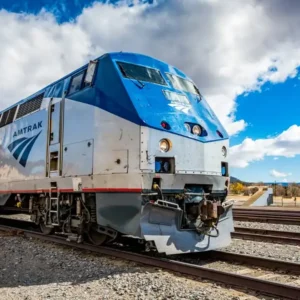
Amtrak single-level fleet planning is increasingly being framed as a practical alternative to the Superliner replacement path.

This is reported by the railway transport news portal Railway Supply.
The point isn’t to end bi-level trains overnight. It’s to reduce design risk, improve accessibility, and simplify operations as Amtrak moves into a major long-distance fleet renewal.
The long-distance fleet renewal is becoming urgent
The debate is being pushed along by the age profile of Amtrak’s long-distance equipment. The Amtrak Office of Inspector General (OIG) says the long-distance roster totals 765 cars, and the oldest Superliner I cars average 43 years. With rolling stock that old, replacement planning has turned into a time-sensitive issue, and the design choices made now are likely to shape long-distance service for decades.
Don’t miss…Gdynia Chylonia–Lębork line doubling deal targets end-2029
Single-level vs bi-level railcars: what the choice means
At its core, the question is straightforward: keep relying primarily on bi-level cars for long-distance routes (the Superliner model), or steer more service—and future purchases—toward a single-level platform that can be used broadly. Amtrak’s procurement language for the Single Level Fleet Replacement Program points to a fleet meant to work across long-distance routes, state-supported corridors, and even the Northeast Corridor (NEC), with enough flexibility to operate in varied environments.
One of the key drivers is ADA accessibility compliance. A one-level passenger layout generally makes it easier to deliver consistent ADA-compliant access without complicated between-level solutions. Amtrak’s requirements also state that any replacement fleet must meet applicable accessibility standards, including ADA rules.
Why the Superliner replacement plan is so complex?
The OIG describes Amtrak’s long-distance replacement as a four-phase program that starts with the oldest Superliners. Phase 1 alone is framed as replacing close to 600 bi-level cars, and it’s described as highly complex because it involves multiple car types, including sleepers. The OIG also notes that early expectations around premium designs and amenities added complexity, and that Amtrak began revising requirements after repeated feedback from carbuilders.
One detail the OIG highlights is the “elevators on railcars” issue. In an OIG press release, Amtrak asked builders about experience building elevators inside a trainset for passengers with disabilities, and none of the responding builders said they had that experience. A recent industry analysis also points to elevator requirements as one reason the Superliner replacement process has stalled.
The single-level program is already structured
This isn’t just a conceptual argument—Amtrak has published procurement documents for its single-level fleet replacement effort. In the “Instructions to Offerors” document, Amtrak says it anticipates an order of 160 cars, while noting the quantity may vary. The same material frames the program as replacing an aging fleet used across the national network and emphasizes interoperability with legacy equipment.
The OIG’s phased outline shows how both approaches could run in parallel:
- Phase 1: new bi-level equipment for western routes using Superliner I
- Phase 2 (option): bi-level for Auto Train and potentially converting some bi-level routes to single-level
- Phase 3 (option): equipment to expand capacity
- Phase 4 (not included in the initial RFP): single-level long-distance equipment
The OIG adds that Phase 1 is planned for completion in 2035 at an estimated cost of $7 billion, with funding tied to the Infrastructure Investment and Jobs Act (IIJA).
What passengers might notice?
If single-level equipment expands into more long-distance territory, riders could see more consistent onboard layouts and service standards across routes, along with easier accessibility. At the same time, the passenger experience may involve different interior trade-offs compared with Superliner-style bi-level travel.
Superliners still have a clear advantage: capacity. Two levels can carry more people per car, which matters on busy long-distance trains. Replacing that capacity with single-level equipment can require longer trains or different operating strategies.
For now, the bigger signal is that Amtrak appears to be advancing two major efforts at once: a high-stakes Superliner replacement plan that has drawn scrutiny for complexity, and a formalized Amtrak single-level fleet replacement track designed to work across long-distance routes, corridor services, and the NEC.
News on railway transport, industry, and railway technologies from Railway Supply that you might have missed:
Find the latest news of the railway industry in Eastern Europe, the former Soviet Union and the rest of the world on our page on Facebook, Twitter, LinkedIn, read Railway Supply magazine online.Place your ads on webportal and in Railway Supply magazine. Detailed information is in Railway Supply media kit