Amtrak OIG Flags Risks in Three Fleet Replacements
Amtrak’s inspector general has identified 10 lessons for the railroad’s three largest fleet procurements, warning that planning, facilities and quality controls could affect costs, schedules and service.
Three programs span multi-billion-dollar investments
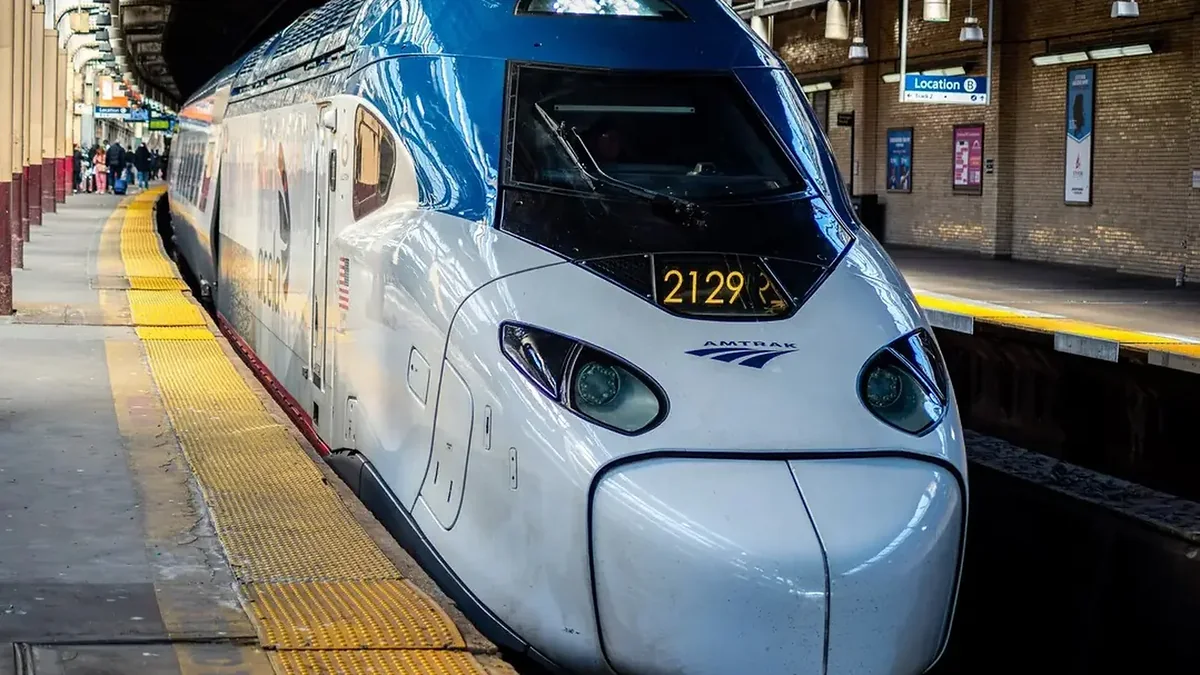
The official Amtrak OIG report, issued on July 16, draws on 13 years of oversight work and covers the $1.5 billion NextGen Acela program, the $3.6 billion Airo acquisition and a separate multi-billion-dollar long-distance fleet replacement.
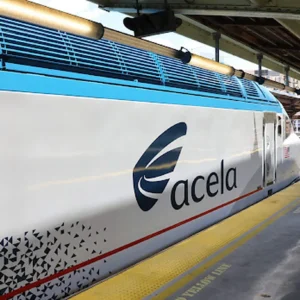
The programs are at different stages. Amtrak is replacing 20 legacy Acela trainsets with 28 NextGen Acela units, increasing capacity from 304 to 386 seats per trainset. Revenue service began in August 2025, more than four years after the original May 2021 target.
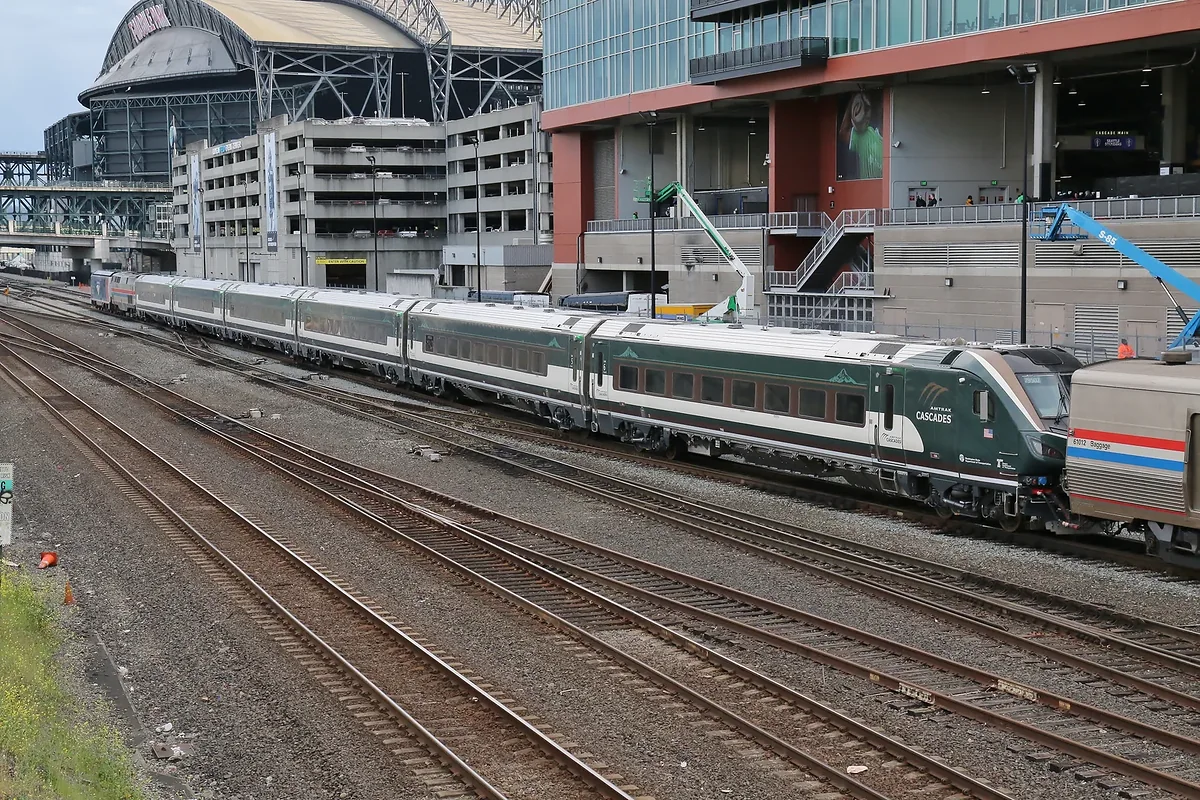
The Airo fleet will replace more than 450 Amfleet I cars with 83 trainsets. Testing of the first unit began in July 2025, with service planned for Amtrak Cascades in 2026 and the Northeast Corridor in 2027. Amtrak also shifted its long-distance strategy from a complex bilevel concept to universal single-level equipment and issued a new request for proposals in March 2026.
Don’t miss…Southern Shorthaul Railroad Suspension Eased Again
Facility planning could limit fleet deployment
The OIG found that maintenance-facility planning lagged fleet planning by about 15 years. Without additional capacity, Amtrak expected to operate only the first 24 of 28 NextGen Acela trainsets and the first 12 of 83 Airo trainsets.
That mismatch could leave incoming equipment stored intermittently and delay revenue from added service. The report also said Amtrak was managing about $4 billion in facility modifications through dozens of separate projects rather than as one coordinated program as of July 2025.
Design and stakeholder decisions have already affected schedules and costs. Late internal feedback on Airo food-service cars produced a $42.5 million change order and delayed initial trainset delivery by five and a half months. The earlier long-distance concept sought nine car types and features that suppliers considered difficult to deliver, contributing to a delay of at least two years.
Acela quality and performance remain under review
The OIG said NextGen Acela trains were operating in revenue service but were not using the tilt system intended to improve journey times and passenger comfort. It also said the fleet was not achieving the faster speeds and shorter trip times specified in the contract.
Mechanical and quality problems have continued after entry into service. On at least two occasions, loose exterior side panels contacted the third rail; one incident caused a fire in the East River Tunnels near New York Penn Station on May 14, 2026.
The report’s 10 lessons cover business cases, early stakeholder engagement, realistic requirements, measurable performance standards, acceptance testing, maintenance contracts and full-lifecycle fleet management. It also acknowledged that Amtrak has strengthened parts of its program-management framework in recent years, while arguing that the earlier problems should be incorporated into controls for current and future purchases.
News on railway transport, industry, and railway technologies from Railway Supply that you might have missed: