Amtrak Moves Richmond Converter Replacement Into Design
26.07.2026
Amtrak has selected STV to prepare preliminary designs for the Richmond converter replacement in Philadelphia, advancing engineering for a traction-power facility serving routes to Washington, New York and Harrisburg.
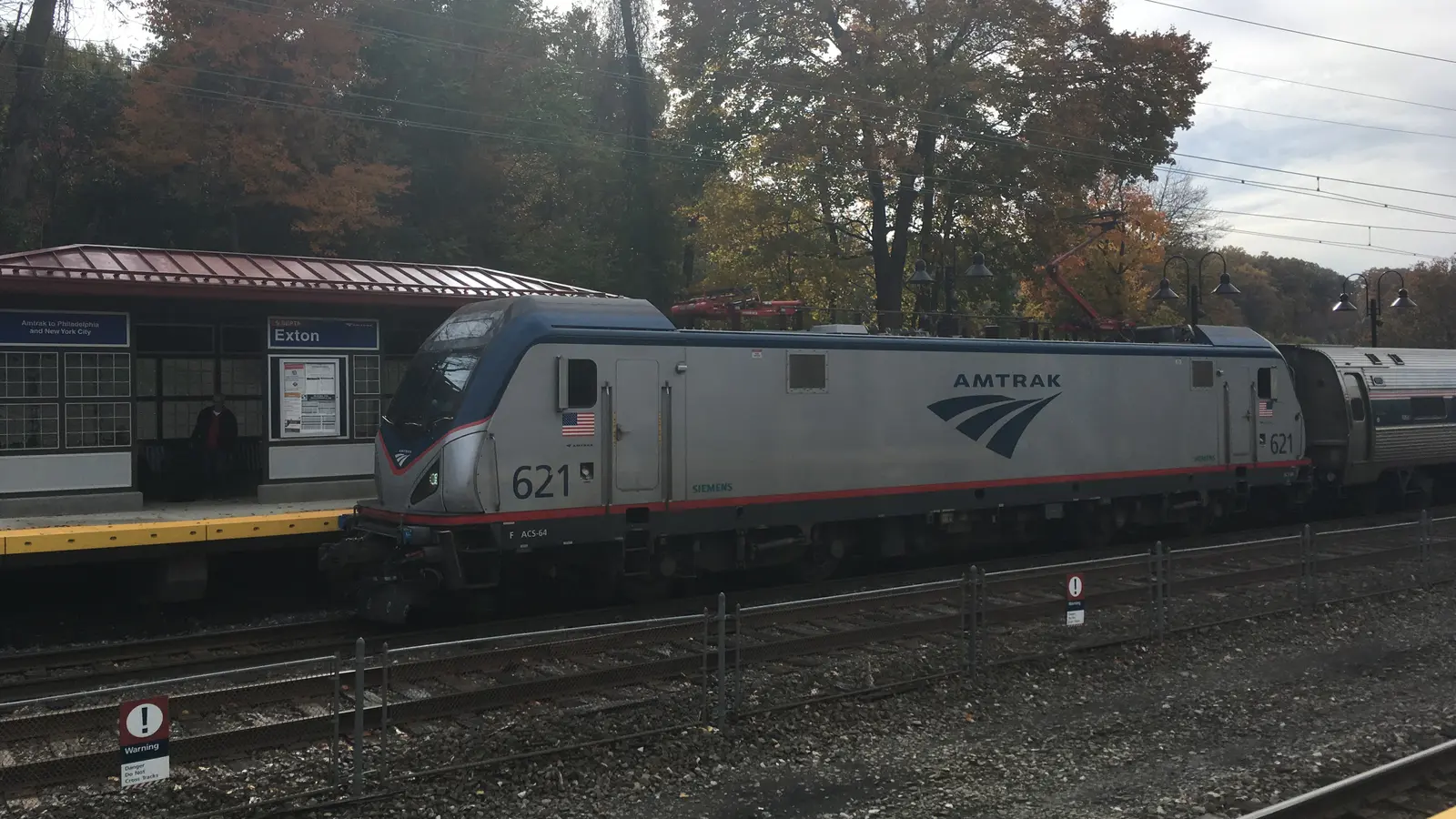
Preliminary design will define the replacement
On July 21, 2026, STV confirmed its selection by Amtrak to develop the preliminary design for replacing Static Frequency Converter #4 at the Richmond Static Frequency Converter Station.
STV describes Richmond as Amtrak’s largest traction-power converter station and one of the world’s largest railway converter facilities. The Philadelphia site supports electrified passenger operations connecting Washington, D.C., New York City and Harrisburg, Pennsylvania.
In practical terms, the station forms part of the electrical chain that supplies traction power to trains. Replacing its aging fourth converter is intended to strengthen the network’s long-term reliability, although the announcement identifies no immediate change to passenger services.
Don’t miss…BNSF Says CN Access Deal Undercuts UP–NS Merger Case
Surveys come before detailed engineering
STV will begin with a complete site survey, an infrastructure assessment and a state-of-good-repair review. Engineers will then evaluate available technologies for the replacement system.
The preliminary design package will include engineering criteria, drawings, technical specifications, construction cost estimates and a project schedule. These deliverables are intended to support the next phase rather than authorize construction immediately.
Environmental and historic-preservation coordination will also be required because the facility stands within a National Register historic boundary. The announcement does not disclose the value of STV’s contract, an approved construction budget, or dates for construction and commissioning.
Reliability work supports a heavily used network
The Richmond station serves a particularly important section of Amtrak’s electrified network. Current Northeast Corridor operating data show that the wider Washington–Boston corridor accommodates more than 2,000 trains and nearly 700,000 passenger journeys each weekday.
For now, the confirmed change is the start of preliminary engineering for Converter #4. The physical replacement remains a later project phase, and STV’s design work will establish its technical scope, estimated cost and proposed schedule.
News on railway transport, industry, and railway technologies from Railway Supply that you might have missed: