Alto reportedly proposes paying over 3x the value of farmland it takes
Alto’s farmland compensation for the Quebec City–Toronto high-speed rail line would pay affected owners more than three times the market value of land acquired, up to about 350%, Radio-Canada reported.
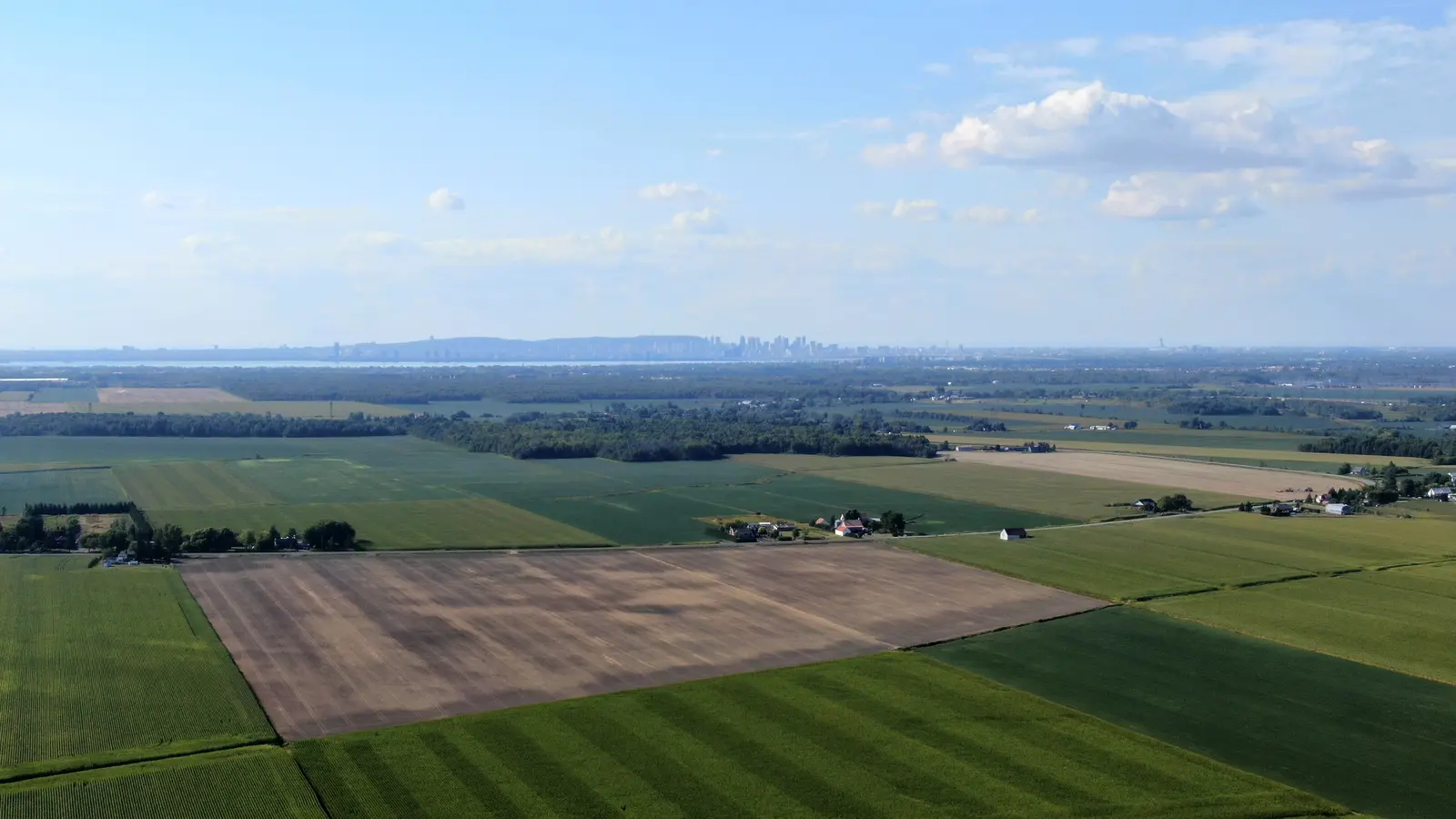
Details of the package have not been made public. Radio-Canada, citing sources familiar with the file, reported that Alto presented the program over the past year to the Union des producteurs agricoles (UPA) and its local bodies. Alto hopes to reach a framework agreement with the union, which represents Quebec farmers.
What the reported package includes
Under the reported package, owners would first receive a cash offer based on the market value of their property, with a signing bonus added to encourage negotiated agreements. Further payments would cover impacts on the property, such as damage, detours and drainage, and the loss of crops on the land given up. Crop losses would be calculated in perpetuity or over 100 years, and up to 200 years for forest land, according to the report.
Taken together, the measures would reach up to about 350% of the market value of the land acquired, the sources said. In the report’s example, an owner ceding a strip worth C$60,000 could receive C$200,000 to C$220,000.
Apart from very rare exceptions, no farm would be bought in full and farming could continue, the same sources said. For most owners, less than 2% of the property would be acquired, and nearly all acquisitions would take under 5% of a farm. Alto has also said it intends to set up an agricultural land trust and other community benefits.
What Alto has already published
Alto’s compensation principles give no overall multiple and do not mention a signing bonus. They list the factors used to assess payments. These include market value based on a property’s highest and best use, disturbance costs, the effect on land left after a partial acquisition, and business and farm losses, including crop losses calculated over a 100-year period.
Payments are to rest on independent appraisals that leave out any rise or fall in value that the project itself brings about. Alto says it will also cover the cost of owners’ own legal advice and appraisals. Farm tenants, including those on cash rent or crop share, would be compensated separately from owners.
The company’s page on agricultural land states its position on expropriation:
“Alto will always prioritize negotiated agreements over expropriation, and work directly with property owners.”
The same page commits Alto to inspecting tile drainage before construction, repairing any damage and paying for replacement systems. Topsoil is to be stripped and stored apart from subsoil, and permanent fencing will run along the future tracks.
| Element | Reported package (Radio-Canada sources) | Alto’s published principles |
|---|---|---|
| Base payment | Cash offer at market value | Market value based on highest and best use |
| Signing bonus | Offered to encourage negotiated agreements | Not mentioned |
| Impacts on the property | Damage, detours and drainage | Effect on land left after a partial acquisition; disturbance costs |
| Crop losses | Calculated in perpetuity or over 100 years; up to 200 years for forest land | Calculated over a 100-year period |
| Owners’ legal advice and appraisals | Not reported | Cost covered by Alto |
| Farm tenants | Not reported | Compensated separately from owners |
| Overall level | More than three times the market value of land acquired, up to about 350% | No overall multiple given |
Alto has published how payments are assessed, but not an overall multiple; the 350% figure and the signing bonus come only from Radio-Canada’s sources. Sources: Radio-Canada, Alto compensation principles.
How Hydro-Québec compensates farmers for power lines
Radio-Canada likened the deal Alto is seeking to agreements the UPA has reached with other builders of linear infrastructure, such as Hydro-Québec, which needs access to farmland for high-voltage transmission lines.
Under an agreement in principle signed on November 10, 2025, Hydro-Québec pays farmers on the basis of their property’s market value. It adds a top-up equal to 25% of the market value of land under easements for building and operating lines. The utility will also contribute C$25 million over ten years to a fund for young farmers. The new payments apply to projects started since the signing. Hydro-Québec plans to build 5,000 km of transmission lines in the coming years.
The two regimes are not directly comparable: an easement leaves the land with the farmer, while Alto would acquire the strips it needs. According to the report’s sources, the trust Alto proposes follows the same idea as the Hydro-Québec fund.
Farm union opposition on the Montreal–Ottawa segment
The first phase of the project is the 200 km segment between Montreal and Ottawa, where construction could begin as early as 2030, according to the report. Citing Alto, the UPA’s Outaouais-Laurentides federation says this segment alone would affect at least 1,700 properties, including 500 farms. The federation advises farmers who receive access requests for field studies not to sign any individual agreement until they get clear answers on the impact on farmland.
In the days before the report, the UPA called for the project and Alto’s field work to be suspended. UPA president Martin Caron wrote to federal Transport Minister Steven MacKinnon demanding an end to what he called the project’s opacity. He says the official cost range of C$60 billion to C$90 billion is unlikely to hold, and Radio-Canada reported that he puts the cost at C$150 billion to C$200 billion instead. A protest against the project took place in Rigaud on September 19.
Alto responded by inviting the UPA back to the table, with a spokesperson saying that exchanges with communities and stakeholders are directly shaping the project. Alto is due to present the refined alignment of the Montreal–Ottawa segment this fall, and consultations will follow once the proposal is public.


