Alstom ETCS contract pushes Queensland rail forward
Alstom ETCS contract marks a major step in Queensland’s shift toward digital rail operations. Alstom has received the first €69m tranche of a broader €214m framework agreement with the Queensland Government for Stage 1 of The Wave.
The project supports digital rail transformation in South East Queensland and preparations for the Brisbane 2032 Olympic and Paralympic Games. In its official announcement, Alstom said the works will bring ETCS Level 2 digital signalling to the Sunshine Coast line, one of the key corridors in the State’s rail upgrade plans.
Alstom ETCS contract strengthens The Wave project
The first awarded package is worth €69m, or AUD $114m. It is part of the full €214m, or AUD $354m, framework contract under Queensland’s The Wave project.
Under the contract, Alstom will design, supply, test and commission its ONVIA Control ETCS Level 2 trackside signalling system for Sector 1 North. The scope covers the new Sunshine Coast line and supports the wider modernisation of Queensland’s rail infrastructure.
The contract is also the first mainline ETCS contract connected with The Wave program. This gives the project strategic importance beyond one signalling package, because it supports Queensland’s move toward a digital, higher-capacity and more reliable rail network.
The package also includes a 5G digital radio system. A nominated third party will supply that system, while Alstom will handle its integration into the wider signalling solution.
ETCS Level 2 Sunshine Coast line upgrade
The project forms part of Queensland’s broader ETCS Program. The program is intended to support a safer, more efficient and higher-capacity rail system, while also laying the groundwork for the State’s sectorisation strategy.
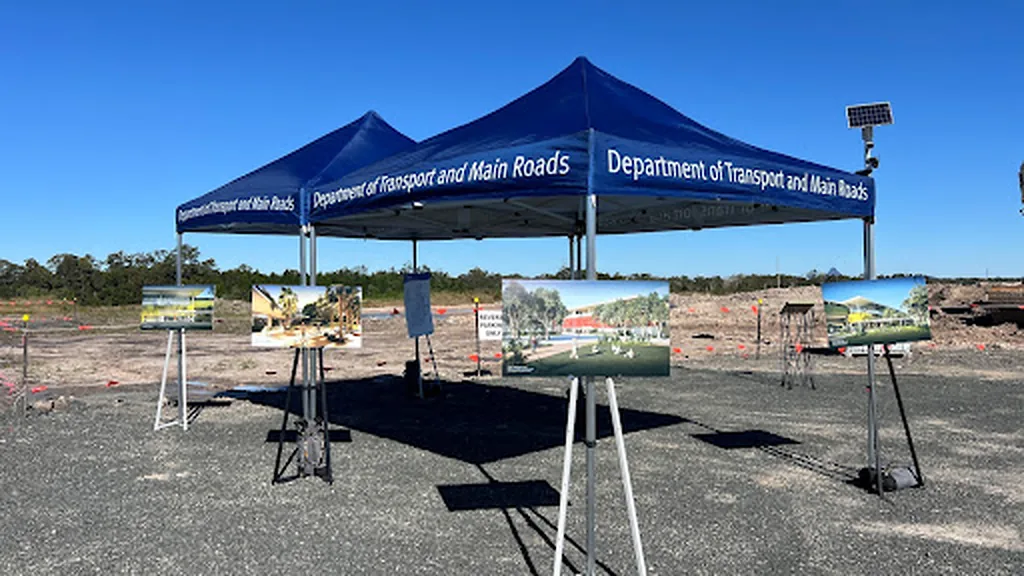
The wider scope of The Wave is set out by Queensland’s Department of Transport and Main Roads, which describes the project as a direct passenger rail connection for eastern Sunshine Coast communities. In that setting, ETCS Level 2 is one element of a wider plan to strengthen links between the Sunshine Coast and South East Queensland’s passenger rail network.
Alstom describes its ETCS Level 2 platform as a globally proven and interoperable technology. The company says the system has already been deployed across thousands of kilometres of railway in more than 35 countries.
The technology enables continuous digital train control. That helps operators improve capacity, safety and network efficiency. Alstom is also delivering advanced versions of this technology elsewhere in the region, including the Philippines and India.
Guillaume Tritter, Managing Director of Alstom Australia and New Zealand, said the project comes as Queensland prepares for the 2032 Games. He said Alstom would combine its digital signalling experience with its local presence in Queensland to support a safer, more efficient and future-ready transport system.
Ling Fang, President of Alstom Asia-Pacific Region, also pointed to the company’s international ETCS experience. Ling Fang said the system had already been used across extensive railway networks in more than 35 countries and was designed to help operators increase capacity and improve network performance through continuous train control.
Brisbane 2032 rail network upgrade gains momentum
Sector 1 North is presented as a critical investment in the future of rail transport across South East Queensland. The works are expected to support higher capacity and better reliability on one of the region’s busiest corridors.
The system will be deployed across both brownfield and greenfield sections of The Wave. It will also run along the North Coast Line toward the Sunshine Coast, which makes integration a complex part of the project.
Passenger services must continue while the works are delivered, so coordination will be important. Alstom will act as the ETCS contractor for the Queensland Government, while Queensland Rail will serve as the network operator.
Multiple civil contractors will also take part in the infrastructure works. Since the program combines signalling, civil construction and digital radio systems, interface management between partners will be central to successful delivery.
The Alstom ETCS contract therefore goes beyond a technical signalling package. It also contributes to the wider Brisbane 2032 rail network upgrade by helping Queensland prepare a more efficient and future-ready transport system before the Olympic and Paralympic Games.
Queensland rail workforce and local supply chain
Alstom also expects the project to create local economic and workforce benefits. The contract includes the establishment of the Queensland Mobility Supply Chain Centre of Excellence, which is expected to support economic, social, educational and environmental outcomes in the State.
The project will support local job creation and skills pathways as well. These will include apprenticeships, traineeships, cadetships and partnerships with Queensland schools and universities.
Through these measures, Alstom aims to help develop future rail capability in Queensland. The company also links the project with stronger local skills, wider transport workforce development and long-term support for the State’s digital rail ambitions. Railway Supply has also previously covered The Wave project as part of Queensland’s wider rail modernisation agenda.



