AI Technology Enhances Subway Safety Amid Security Concerns
23.05.2025
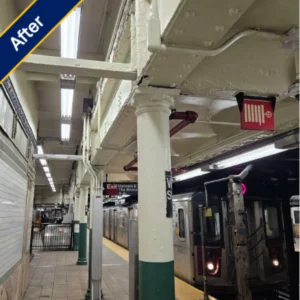
New York City is deploying artificial intelligence to monitor subway activity and increase passenger safety as officials respond to rising public concerns over crime. This is reported by the railway transport news portal Railway Supply.

Michael Kemper, MTA chief of security and a 33-year NYPD veteran, is leading this initiative. The AI software observes subway platforms and train interiors in real time, identifying patterns of behavior that may signal danger.
Don’t miss…Train Collision with Tractor Disrupts Herefordshire Rail Routes
Instead of tracking individual identities, the technology detects erratic movements or conflicts. When flagged, transit officers receive instant alerts, enabling faster intervention and possibly stopping crimes before escalation.
Currently, about 40% of subway surveillance cameras are actively monitored by personnel. This AI tool will expand oversight without hiring additional staff, boosting safety across the network.
To address privacy fears, the MTA confirmed facial recognition will not be included. The agency emphasizes that the system focuses solely on behavior analysis to protect commuters.
Subway AI System Designed for Prevention, Not Surveillance
The MTA’s AI system is part of a broader safety strategy. In mid-2024, overall subway crime fell 7.7%, but violent incidents such as assaults rose. In response, Governor Kathy Hochul deployed 1,000 National Guard troops to support transit law enforcement.
Artificial intelligence will assist rather than replace human officers. It serves as a preventative tool and provides additional support in densely trafficked areas of the subway system.
Other Cities Turn to AI for Public Transit Safety
Beyond New York, cities like Chicago and Los Angeles are adopting AI technology in public transportation. Uses range from detecting weapons to issuing automatic citations.
Although the promise of AI is compelling, some concerns persist. Civil rights advocates warn of algorithmic bias and false positives that may unfairly target certain groups.
The MTA’s refusal to use facial recognition is seen as a safeguard. However, public trust depends on continued transparency, accuracy, and ethical oversight of the system.
Michael Kemper’s leadership lends experience to the program. But achieving lasting results will require balancing innovation with fairness and safeguarding riders’ rights throughout the subway network.
Source: www.foxnews.com
News on railway transport, industry, and railway technologies from Railway Supply that you might have missed:
Find the latest news of the railway industry in Eastern Europe, the former Soviet Union and the rest of the world on our page on Facebook, Twitter, LinkedIn, read Railway Supply magazine online.Place your ads on webportal and in Railway Supply magazine. Detailed information is in Railway Supply media kit