35 Lawmakers Challenge FRA Rail Certification Repeal
A bipartisan group of 35 House members has challenged the FRA rail certification repeal, seeking stronger evidence that ending dispatcher and signal-employee requirements would not weaken railroad safety.
Lawmakers seek detailed safety justification
In a July 20 letter, the legislators opposed rescinding certification requirements under 49 CFR Parts 245 and 246 and asked the Federal Railroad Administration to respond by July 28. The signers included Rep. Dina Titus of Nevada and Rep. Rick Larsen of Washington.
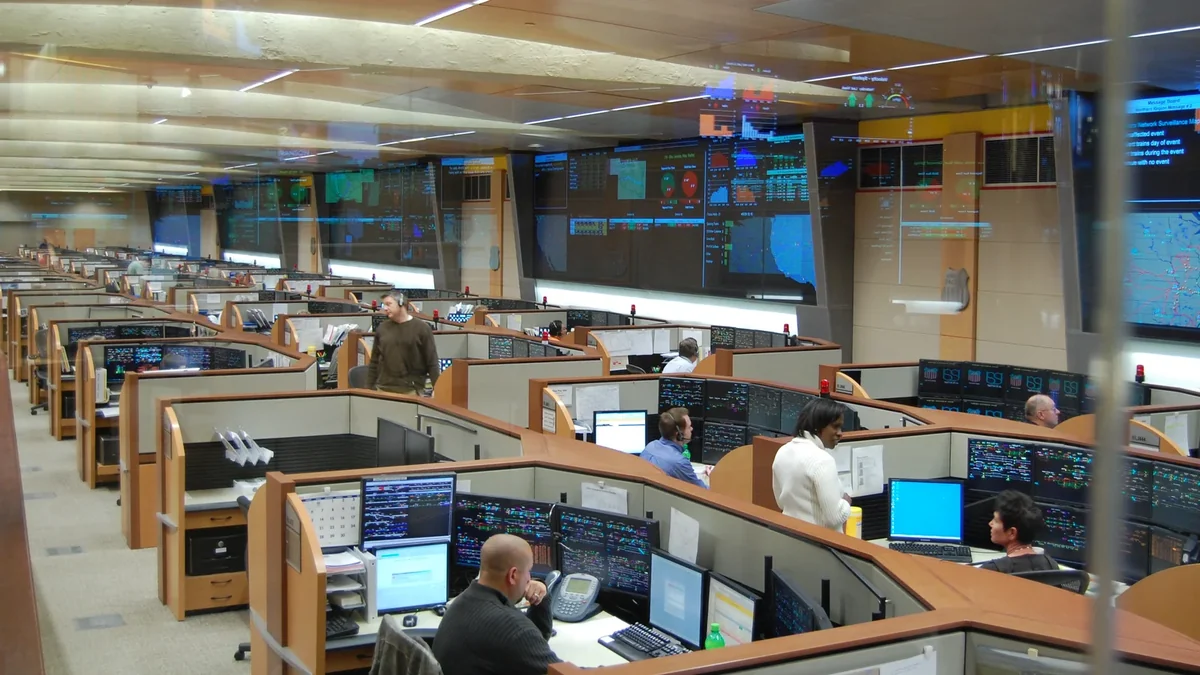
The published letter text describes both jobs as safety-critical. Dispatchers authorize train movements, manage traffic and speed restrictions, and protect crossings and roadway workers. Signal employees install, inspect, maintain, repair and test signaling systems, train-control technology and wayside defect detectors.
Don’t miss…GBR Anglia Trains Debut at London Liverpool Street
FRA cites costs and industry objections
FRA adopted the two certification rules on May 21, 2024, requiring railroads to create agency-approved programs for dispatchers and signal employees. The Association of American Railroads, the American Short Line and Regional Railroad Association and the Commuter Rail Coalition petitioned for reconsideration on July 12, 2024.
At a February 6, 2025 meeting with FRA, the organizations questioned whether individual railroads should administer every certification. They argued that contractors working for several railroads could face repetitive testing, while the requirements could complicate hiring and training.
On May 15, 2026, FRA issued separate proposals to rescind the dispatcher certification rule and the signal-employee certification rule in full. The agency preliminarily concluded that the expected benefits did not justify the expected costs. Public comments on both proposals are due August 13.
Cost dispute moves into the public record
The lawmakers said FRA’s analysis suggests annual compliance costs for the two programs may exceed quantified benefits by less than $2 million. They contrasted that figure with $23.8 billion in 2024 net income reported for the Class I railroads.
Their letter argues that reductions in accident risk, environmental damage, service disruptions, delays and cleanup costs are difficult to quantify. It also states that one preventable dispatching error or signal-system failure could cost more than maintaining the certification programs.
The legislators asked FRA to explain how it valued those safety benefits and to provide evidence that eliminating the requirements would not increase risks to railroad workers, passengers or the public.
News on railway transport, industry, and railway technologies from Railway Supply that you might have missed:


