1890s ‘road bed’ deeds leave US liable in Maryland rail-trail case
A federal judge ruled the United States is liable to 13 landowners in a Maryland rails-to-trails case, finding 1890s railroad easements did not cover a public trail.
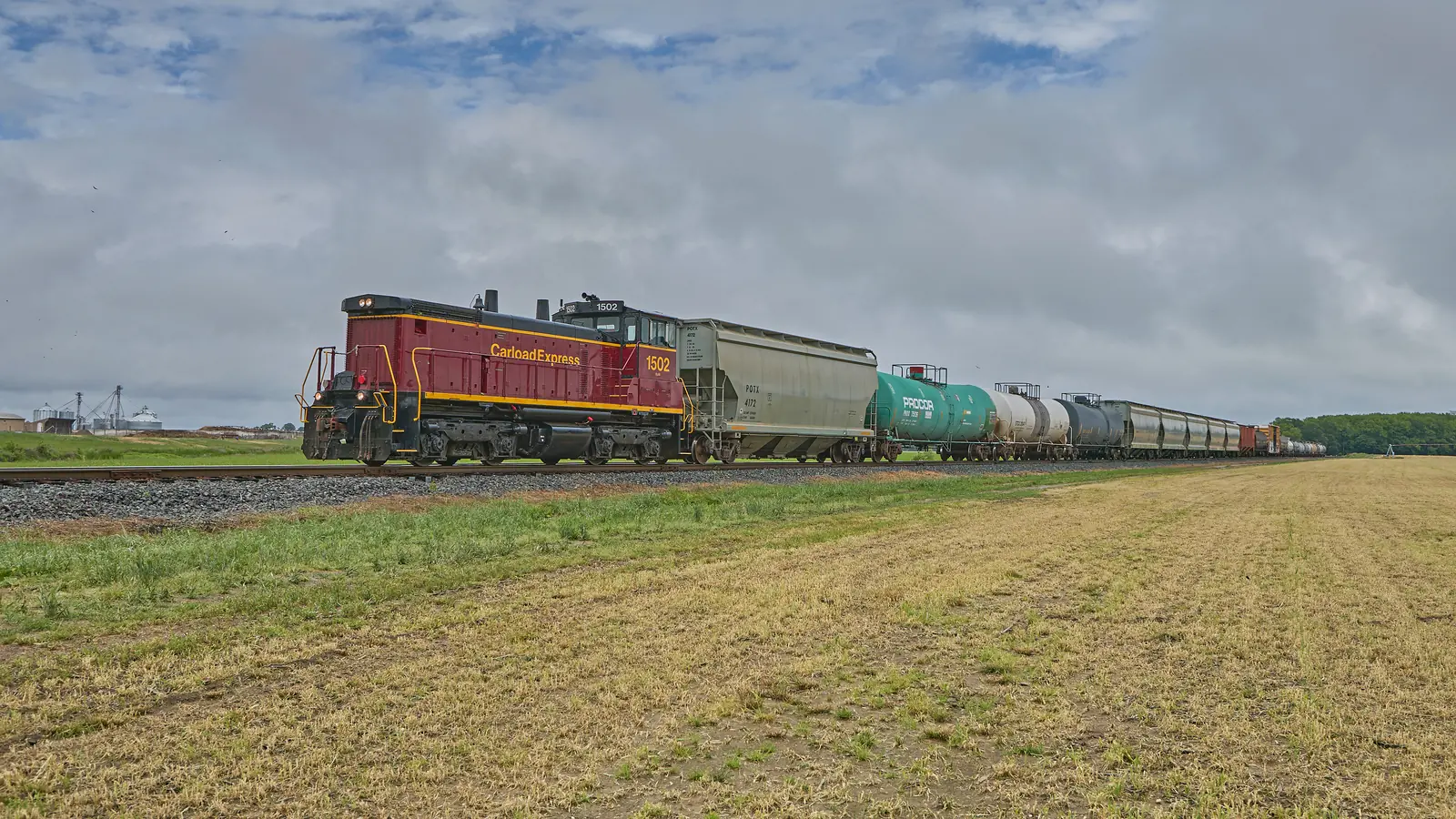
Judge Ryan T. Holte of the U.S. Court of Federal Claims granted the owners partial summary judgment on liability on September 14, 2026. The court’s opinion also denied the government’s cross-motion. At stake are 18 tax parcels along a 14.73-mile corridor of the former Baltimore and Eastern Shore Railroad in Dorchester and Caroline counties. The court has not yet set the amount of compensation. By October 14, 2026, the two sides must submit a joint status report with a proposed schedule for the next phase.
How the Eastern Shore line became a trail corridor
On March 1, 2024, the Maryland and Delaware Railroad Company gave notice that it would end service on three segments. They run 8.23 miles from Cambridge to near Linkwood, 6.1 miles from Hurlock to Preston and 0.4 miles within Hurlock. Dorchester County asked the Surface Transportation Board the same day to allow trail use of the line. The Maryland Transit Administration, which owns the corridor, consented.
On August 29, 2024, the board issued a Certificate of Interim Trail Use under the National Trails System Act. It allows a public recreational trail on the corridor and keeps the line available for possible future rail service. The landowners sued on September 3, 2024. They argued that the trail and the new easement for possible reactivation took their land without compensation.
Why “for its road bed” decided the case
The government argued that under Maryland law a railroad and a recreational trail are both public highways. On that view, switching from one to the other takes nothing from owners. It relied on Chevy Chase Land Co. v. United States, a 1999 decision of Maryland’s highest court. That ruling found a railroad easement broad enough to include a trail.
Holte read the nine deeds in this case differently. Signed between 1891 and 1894, they described the right of way granted to the Baltimore and Eastern Shore Railroad as being “for its road bed.” An 1893 law dictionary simply refers the entry to “railroad,” and Webster’s dictionaries from 1894 and 1895 define the term, when used of railroads, as the foundation that carries the track. The judge’s searches of historical English text databases found no use of it to describe a walking trail.
In Chevy Chase, by contrast, the 1911 deed described the railroad’s right of way as “free and perpetual” and stated no purpose. The judge found the Eastern Shore wording closer to earlier Maryland deeds limited to railroad purposes. He also noted that the deeds list the benefits of building the railroad as part of what the landowners received in return.
One parcel, the Brewis property, has no known deed, and the parties agreed the railroad held it by prescription. The government conceded it had no evidence of the easement ever serving any purpose other than rail, and the court held that a trail was not a foreseeable extension of that use.
| Case (court, year) | What the deed said | How the court read it |
|---|---|---|
| Hodges v. Owings (Maryland, 1940) | Land granted in return for the railway company routing its line across the owner’s property | Easement for railway use only |
| E. Washington Ry. Co. v. Brooke (Maryland, 1966) | Right of way “for railroad purposes” | Limited to railway use |
| Chevy Chase Land Co. v. United States (Maryland, 1999) | 1911 deed: right of way described as “free and perpetual”, with no stated purpose | General right of way; converting it to a trail was not a taking |
| Beauvais v. United States (U.S. Court of Federal Claims, 2026) | Deeds of 1891–1894: right of way stated to be “for its road bed”, with the benefits of building the railroad counted as part of the payment | Railroad-only easement; a trail goes beyond it |
Deeds that tied the grant to rail use were read narrowly, while the 1911 grant that named no purpose was held open to other uses, including a trail. Maryland rulings as summarised in the court’s September 14, 2026 opinion.
What happens next for the landowners
The opinion settles liability only. A later phase will determine the just compensation due for each property. A companion case, Blake v. United States, involves identical deed language. The court decided it the same day with the same outcome.
Lewis Rice, the law firm representing the owners, estimates that nearly 65 more landowners along the corridor have not yet filed claims. According to the firm, the deadline for such claims expires in August 2030.
Maryland’s state-owned rail lines on the Eastern Shore
The corridor belongs to a network that Maryland took over from the bankrupt Penn Central Railroad’s estate in 1982 to keep rural freight lines in service. In an August 2024 report, the Maryland Department of Transportation said the Maryland Transit Administration owns almost 150 miles of such corridors. About 92 miles of them lie on the Eastern Shore. At that time, 15 of the Cambridge Line’s 30 miles were in active use. On the roughly 6.5-mile Preston Track, less than a mile was active. The department planned a 40-year public-private partnership lease for the lines. The operator would hold Surface Transportation Board authority over them, except for sections placed in interim trail use.


